Abstract
Embroidery thread is a foundational material in textile decoration, influencing durability, texture, color vibrancy, and overall craftsmanship quality. Whether used in fashion, home décor, or industrial branding, selecting the right embroidery thread can significantly affect production efficiency and final visual outcomes. This article provides a comprehensive guide to understanding embroidery thread types, applications, selection criteria, and common troubleshooting techniques to help users make informed decisions and improve stitching performance.
1. Introduction to Embroidery Thread
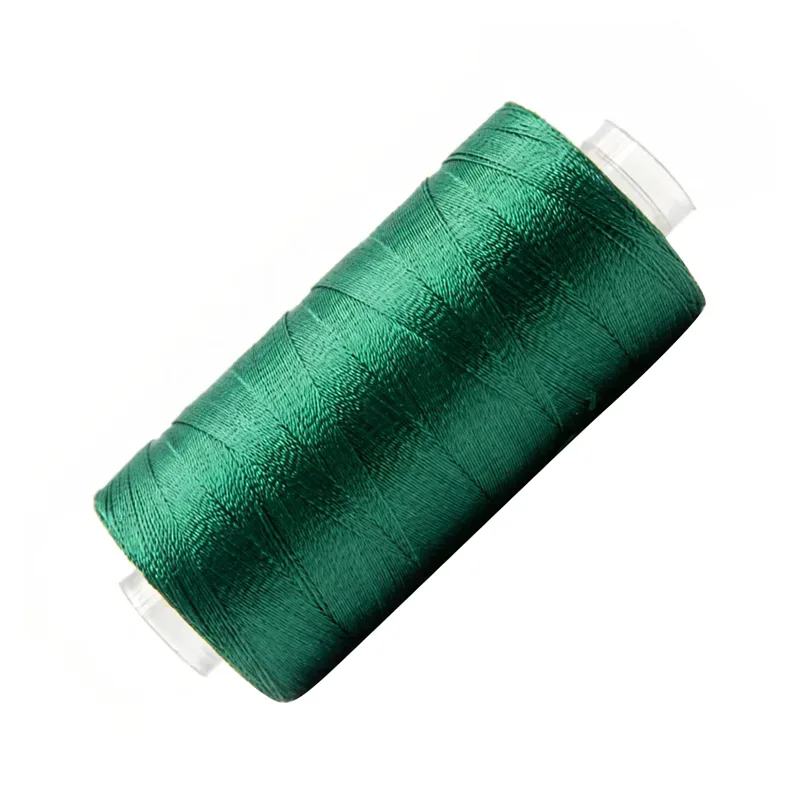
Embroidery thread is specially engineered yarn designed for decorative stitching on fabrics using manual or machine-based embroidery techniques. Unlike standard sewing thread, embroidery thread emphasizes sheen, strength, and color consistency to ensure visually appealing patterns and long-lasting performance.
Modern embroidery industries rely heavily on precision-engineered threads to achieve consistent stitch quality across large production volumes. As customization demand grows in apparel and branding sectors, the importance of selecting the right embroidery thread continues to increase.
2. Why Thread Selection Matters
Choosing the wrong embroidery thread can lead to several production issues including thread breakage, uneven tension, fabric damage, and faded designs. Proper thread selection ensures:
-
Enhanced stitching durability
-
Improved machine efficiency
-
Better color retention after washing
-
Reduced maintenance downtime
Manufacturers and designers who prioritize thread quality typically achieve higher customer satisfaction and lower production waste.
3. Types of Embroidery Thread
Different embroidery applications require different thread types. The most commonly used categories include:
-
Rayon Thread: Known for its high sheen and smooth finish, ideal for decorative embroidery.
-
Polyester Thread: Highly durable and resistant to chemicals and washing.
-
Cotton Thread: Offers a natural matte finish suitable for traditional designs.
-
Metallic Thread: Used for luxury and ornamental embroidery with reflective effects.
-
Silk Thread: Premium option for high-end fashion embroidery.
4. Material Composition and Properties
The material composition of embroidery thread directly affects its performance. Below is a simplified breakdown:
|
Material
|
Durability
|
Appearance
|
Best Use
|
|
Polyester
|
High
|
Glossy or semi-gloss
|
Industrial embroidery, uniforms
|
|
Rayon
|
Medium
|
High shine
|
Decorative patterns
|
|
Cotton
|
Medium
|
Matte
|
Traditional embroidery
|
|
Metallic
|
Low to Medium
|
Reflective
|
Luxury fashion
|
Understanding these properties helps in aligning thread selection with project requirements.
5. How to Choose the Right Embroidery Thread
Selecting embroidery thread requires balancing performance, aesthetics, and machine compatibility. Consider the following factors:
-
Fabric Type: Lightweight fabrics require finer threads, while heavy fabrics need stronger threads.
-
Design Complexity: Intricate designs benefit from smooth, low-friction threads.
-
Machine Type: High-speed machines often perform better with polyester threads.
-
Environmental Exposure: Outdoor applications require UV-resistant threads.
For industrial buyers seeking consistent performance and scalable production quality, DERUSEN offers engineered embroidery thread solutions tailored to diverse manufacturing needs. For tailored specifications and bulk supply options, DERUSEN—contact us for expert assistance and product consultation.
6. Industrial and Creative Applications
Embroidery thread is used across multiple industries, including:
-
Fashion and apparel manufacturing
-
Corporate branding and uniforms
-
Home textiles such as curtains and bedding
-
Automotive interior decoration
-
Luxury embroidery artworks
Each application demands different performance characteristics, making thread selection a critical step in production planning.
7. Common Problems and Solutions
Embroidery production often faces technical issues related to thread usage. Below are common problems and solutions:
-
Thread Breakage: Usually caused by incorrect tension or low-quality thread. Adjust machine settings and use high-strength polyester.
-
Color Fading: Occurs due to poor dye quality. Choose UV-resistant threads for durability.
-
Uneven Stitching: Often linked to inconsistent thread thickness.
-
Bird Nesting: Caused by improper threading or bobbin issues.
8. Storage and Maintenance Tips
Proper storage of embroidery thread ensures long-term usability and performance consistency:
-
Store in a cool, dry environment away from sunlight
-
Avoid high humidity areas to prevent weakening fibers
-
Keep threads in sealed containers to avoid dust contamination
-
Organize by color and material for efficient workflow
9. Embroidery Thread Comparison Table
|
Thread Type
|
Strength
|
Shine
|
Cost Level
|
|
Polyester
|
High
|
Medium
|
Moderate
|
|
Rayon
|
Medium
|
High
|
Moderate
|
|
Cotton
|
Medium
|
Low
|
Low
|
|
Metallic
|
Low
|
Very High
|
High
|
10. Frequently Asked Questions
Q1: What is the best embroidery thread for beginners?
Polyester thread is generally recommended due to its durability and ease of use.
Q2: Can embroidery thread be used on all machines?
Most threads are compatible, but machine speed and tension settings may require adjustment.
Q3: Why does embroidery thread keep breaking?
This is often caused by incorrect tension, dull needles, or low-quality thread materials.
Q4: How should embroidery thread be stored?
It should be stored in a dry, cool place away from direct sunlight to preserve quality.
11. Conclusion
Embroidery thread selection is a critical factor that directly impacts embroidery quality, efficiency, and durability. Understanding material differences, application requirements, and maintenance practices allows manufacturers and designers to achieve superior results. With increasing demand for precision embroidery in global markets, investing in high-quality thread solutions is no longer optional but essential.
DERUSEN provides professional-grade embroidery thread solutions designed to meet industrial and creative needs. For product inquiries, bulk orders, or technical support, DERUSEN—contact us to explore tailored embroidery thread solutions that enhance your production performance.