
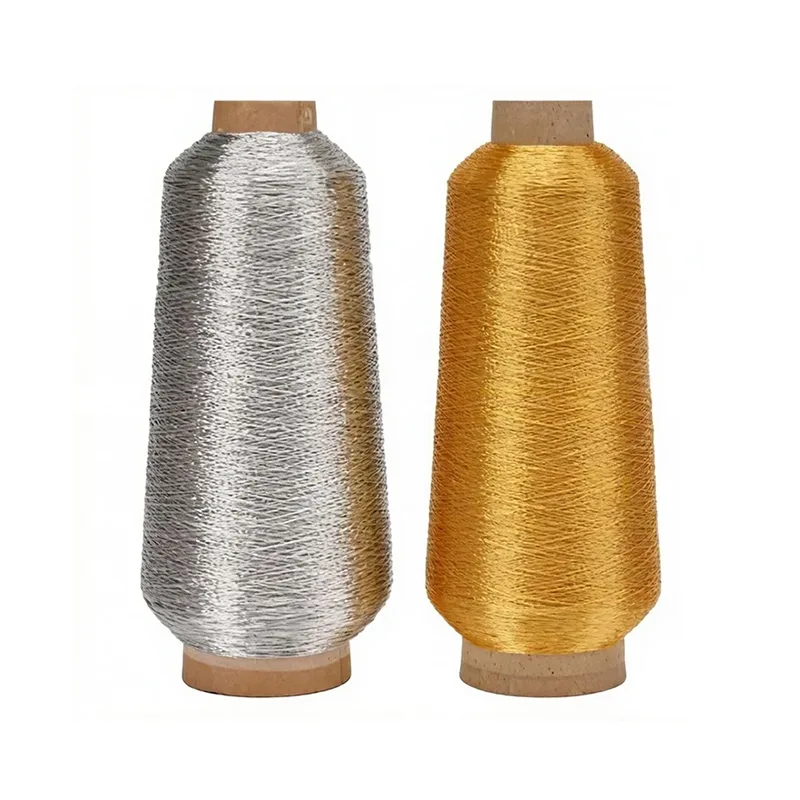
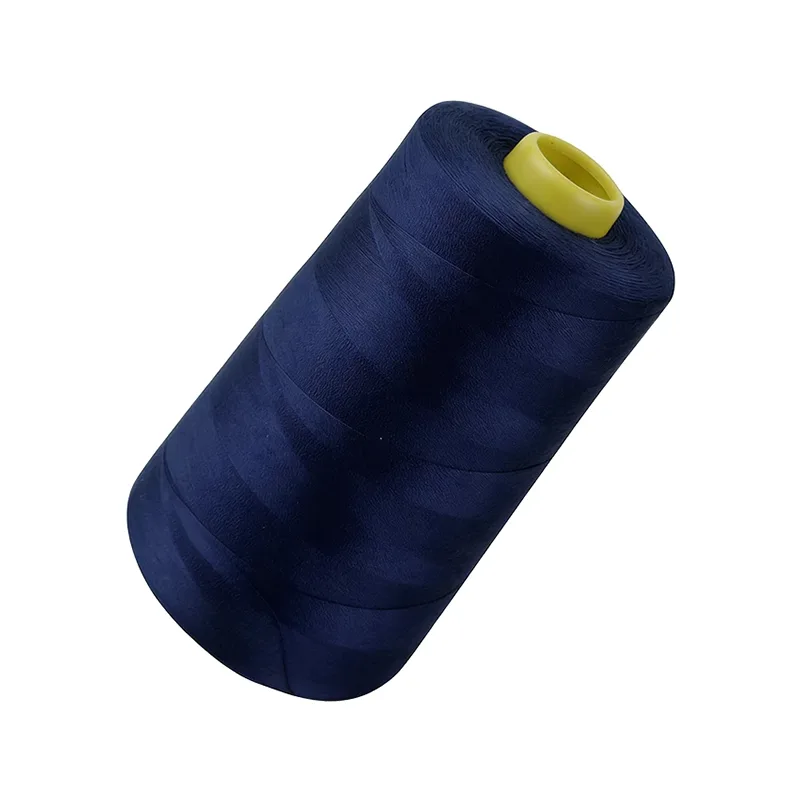
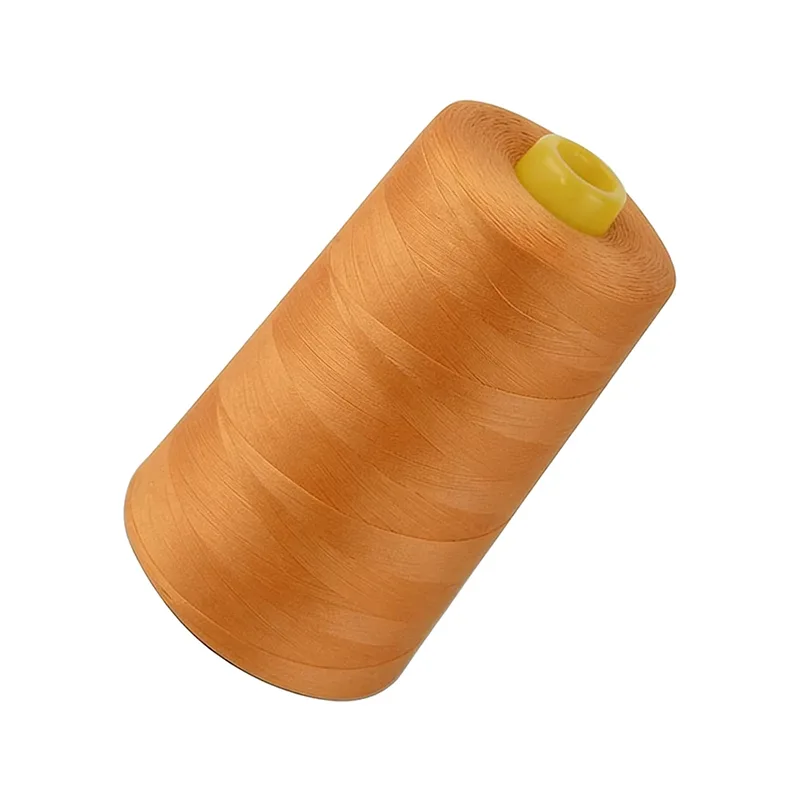
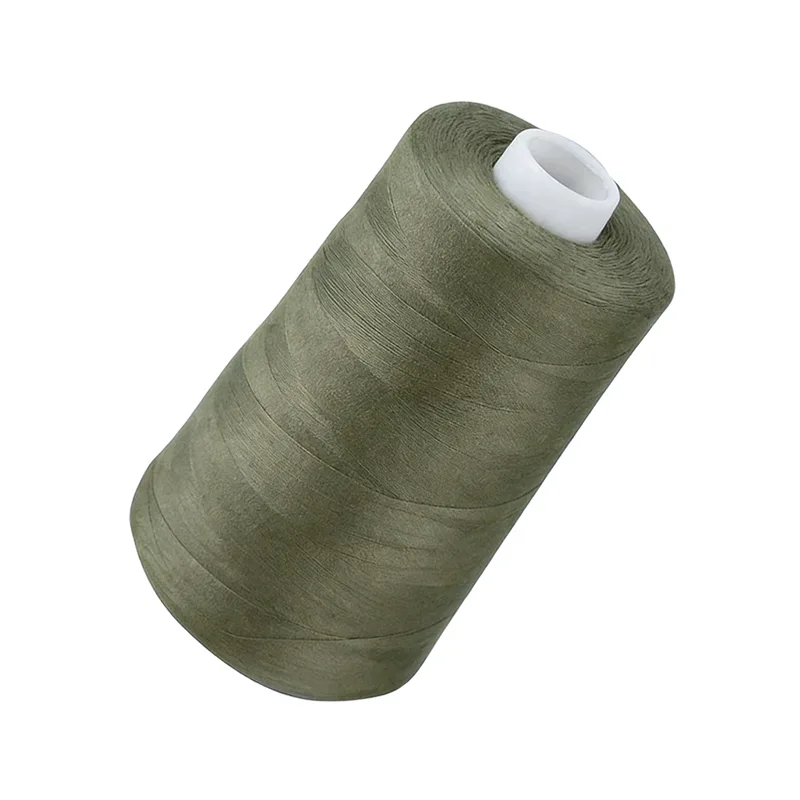
Spun Polyester Sewing Thread
Derusen Spun Polyester Sewing Thread is made from high-tenacity polyester staple fibers through ring-spun or TFO twisting technology, combining cotton-like appearance with excellent abrasion, chemical, and UV resistance. Available in Tex 18–80, over 800 colors, and customized finishes, it delivers stable sewing performance for garments, denim, home textiles, bags, and outdoor products. Certified to OEKO-TEX® STANDARD 100 with reliable batch consistency.
Send Inquiry
Product Description
Spun Polyester Sewing Thread for Industrial and Garment Applications
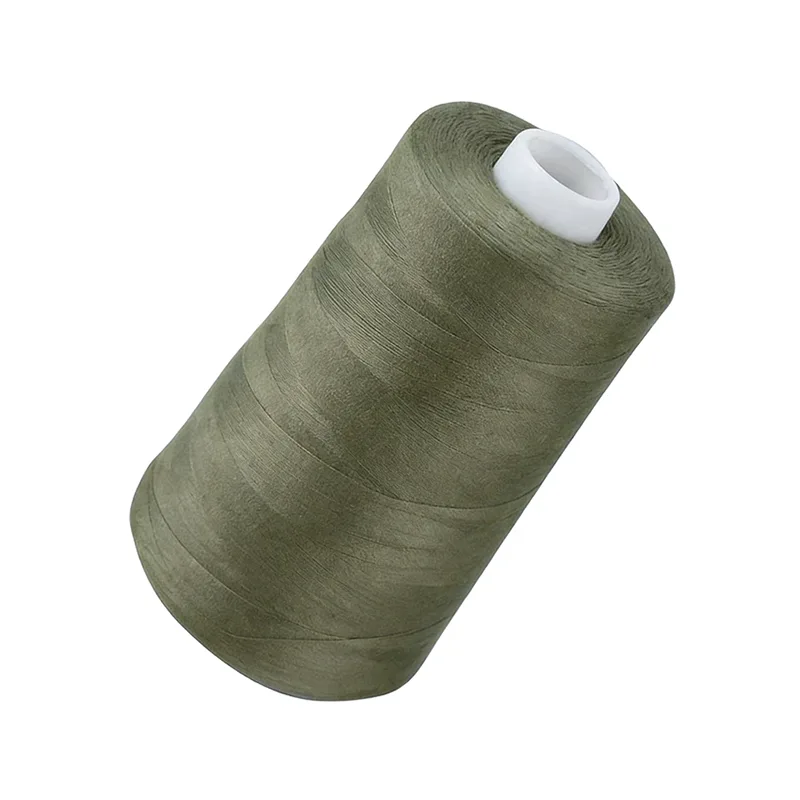
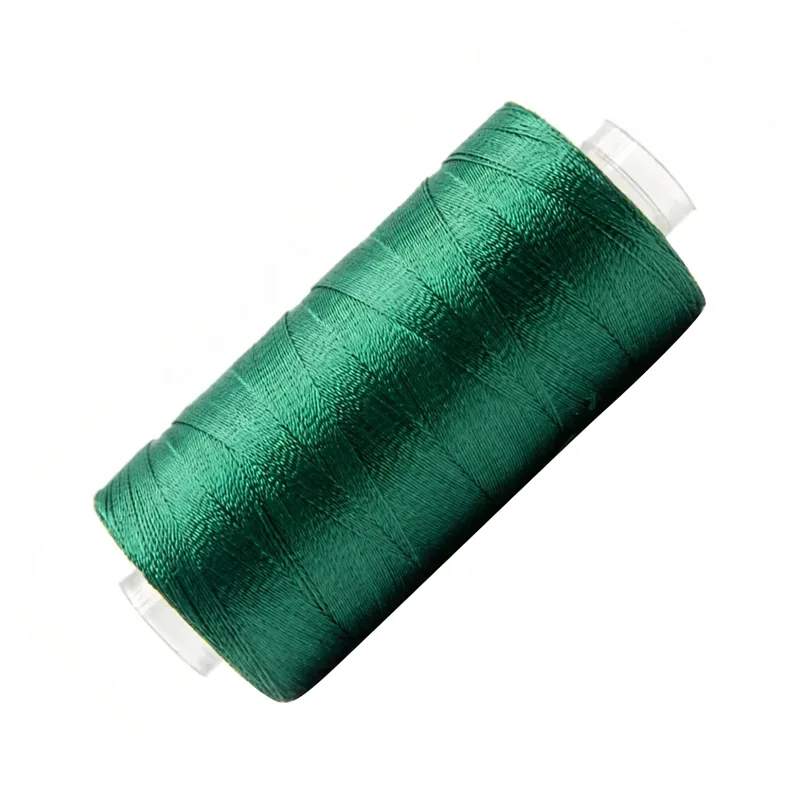
Spun polyester sewing thread is manufactured from high-tenacity polyester staple fibers that are twisted into a continuous yarn. Its fibrous surface provides a soft, cotton-like stitch appearance while retaining the strength, abrasion resistance, and dimensional stability associated with polyester. This combination makes it suitable for garment manufacturing, home textiles, bags, footwear, upholstery, and other industrial sewing applications.
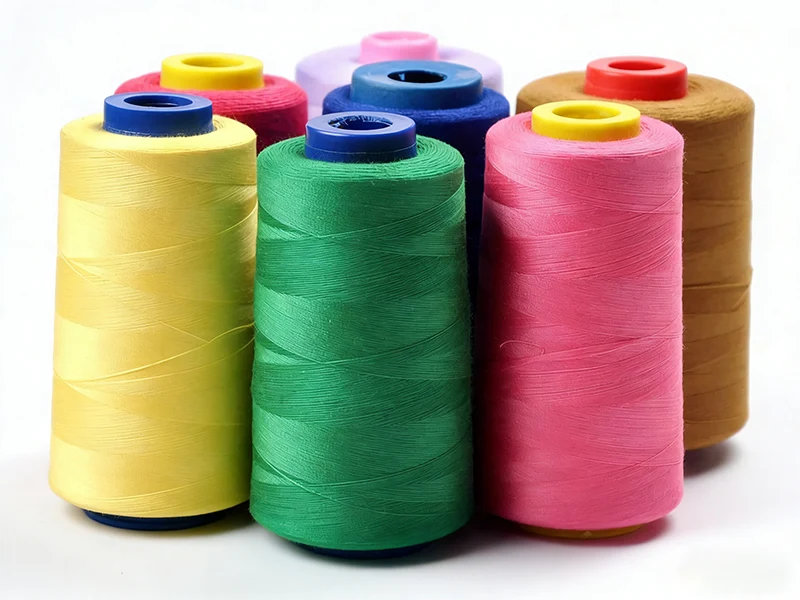
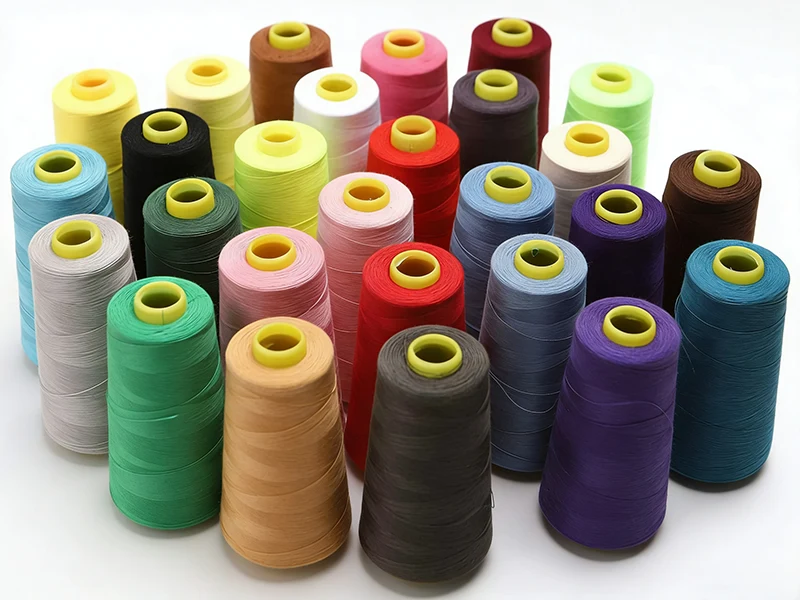
Derusen supplies ring-spun and two-for-one (TFO) twisted polyester sewing thread in multiple counts, colors, and winding specifications. The product range covers Tex 18 to Tex 80, with more than 800 available color shades. Standard and customized options support different sewing machines, fabric weights, and production requirements.
As a China-based sewing thread manufacturer and supplier, Derusen combines in-house production, twisting, dyeing, and quality inspection to provide consistent thread specifications for international textile markets. Explore our sewing thread product range or contact our team for technical specifications and factory-direct pricing.
800+ Available thread colors
160 MT Monthly production capacity
860+ Production lines
OEKO-TEX STANDARD 100 certification
Technical Specifications of Spun Polyester Thread
Thread counts, breaking force, elongation, and needle recommendations.
The following technical data provides a reference for selecting the appropriate spun polyester sewing thread for different sewing operations. Breaking force is shown in centinewtons (cN) and grams (g). Elongation values represent the stated production range. Actual sewing performance may vary depending on fabric construction, machine settings, needle condition, and thread tension.
| Tex (T) | Ticket (TKT) | Cotton Count (s) | Avg. Breaking Force (cN) | Avg. Breaking Force (g) | Elongation Min-Max (%) | Needle (Singer) | Needle (Metric) |
|---|---|---|---|---|---|---|---|
| 18 | 180 | 60/2 | 666 | 680 | 12-16 | 9-11 | 65-75 |
| 24 | - | 50/2 | 850 | 867 | 12-16 | 9-11 | 65-75 |
| 30 | 120 | 40/2 | 1020 | 1041 | 13-17 | 11-14 | 75-90 |
| 30 | 120 | 60/3 | 1076 | 1098 | 12-16 | 12-14 | 75-90 |
| 40 | 80 | 30/2 | 1340 | 1379 | 13-17 | 14-18 | 90-110 |
| 45 | 75 | 40/3 | 1561 | 1593 | 12-16 | 14-18 | 90-110 |
| 60 | 50 | 20/2 | 2081 | 2123 | 13-18 | 16-19 | 100-120 |
| 80 | 30 | 20/3 | 3178 | 3243 | 13-18 | 18-21 | 110-130 |
Additional specifications: Other constructions, including 20/4, 20/6, 20/9, and customized counts, are available upon request. Silicone-lubricated versions are also offered for applications requiring reduced thread friction and smoother machine operation. Please confirm the exact specification with our technical team before ordering.
Spun Polyester Thread Construction: Ring-Spun vs. TFO
Two twisting methods for different sewing conditions and production requirements.
The construction of polyester spun thread affects its surface characteristics, hairiness, handling properties, and suitability for different sewing operations. Derusen provides both conventional ring-spun and two-for-one twisted options to accommodate different production environments.
Ring-Spun Polyester Thread
Ring-spun thread is produced through conventional spinning and twisting processes. Its relatively soft, fibrous surface creates a fuller thread appearance and a stitch finish similar to cotton.
- Soft hand and cotton-like stitch appearance.
- Suitable for general garment sewing.
- Available in multiple thread counts and colors.
- Suitable for a wide range of woven and knitted fabrics.
TFO Twisted Polyester Thread
Two-for-one (TFO) twisting inserts two twists during each spindle revolution. This process produces a more uniform and rounded yarn structure, helping reduce surface hairiness and loose fibers.
- Smoother surface and more uniform construction.
- Reduced hairiness and lint accumulation.
- Suitable for automatic sewing operations.
- Useful for denim, leather goods, and high-speed production.
Both constructions are available in different counts and color specifications. The choice depends on the required stitch appearance, fabric characteristics, machine speed, and sewing conditions. For automated production, TFO spun polyester thread is often considered where lower hairiness and consistent thread feeding are important.
Available Thread Counts, Colors and Packaging
Flexible specifications for different textile production needs.
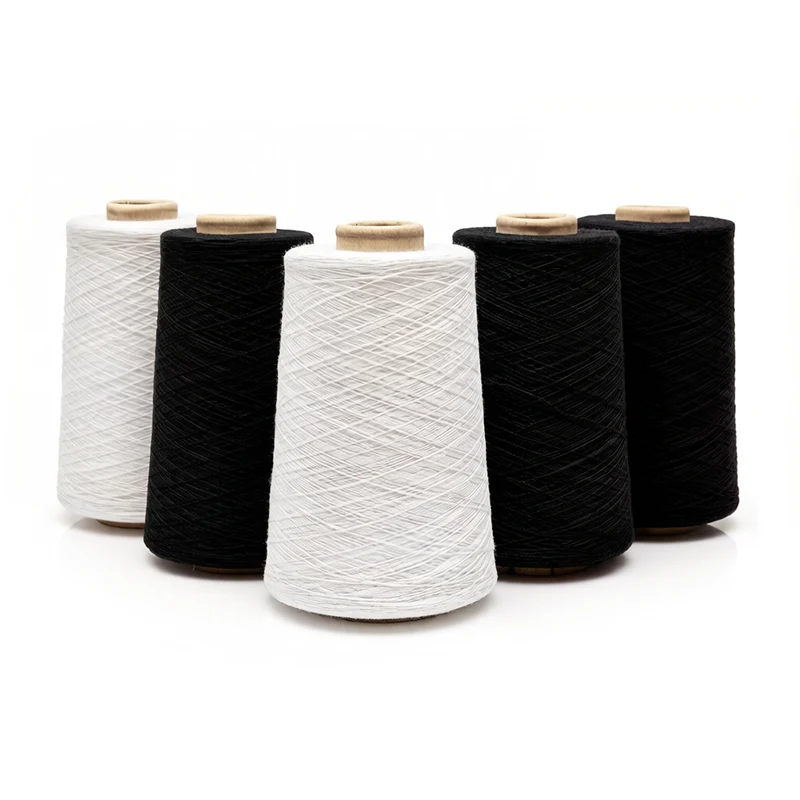
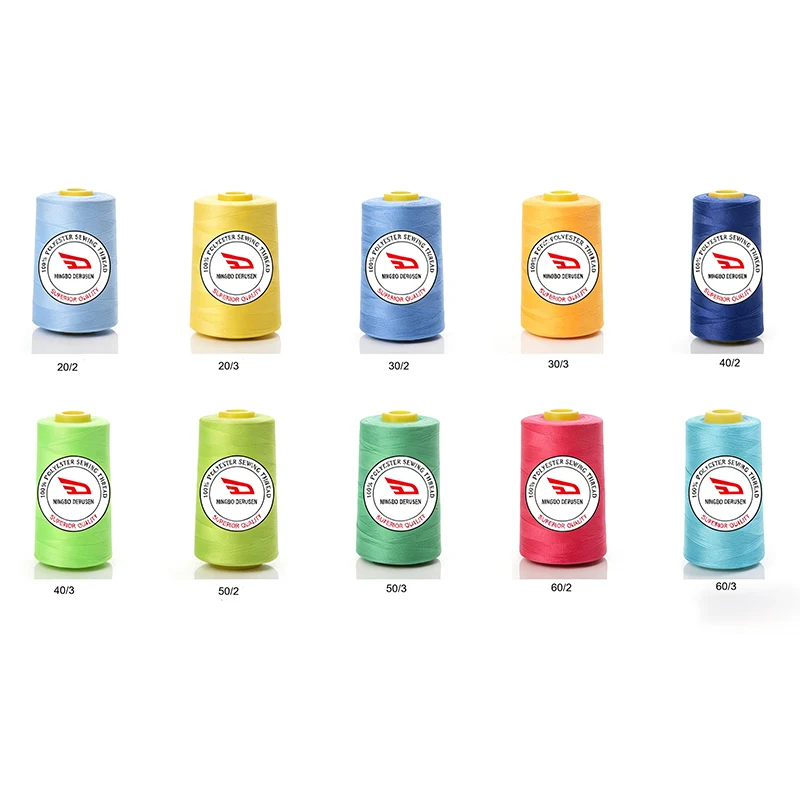
Thread Counts 20/2, 20/3, 20/4, 20/6, 20/9, 30/2, 30/3, 40/2, 40/3, 50/2, 50/3, 60/2, 60/3 and customized constructions.
Cone Packaging 1,000 to 20,000 yards per cone, with selected packaging options from 1 kg to 2 kg.
Small Bobbins 50 to 1,000 yards per cop, suitable for different sewing equipment and automatic bobbin-changing systems.
Color Selection More than 800 available shades, with custom color matching against Pantone references, CCC references, or physical samples.
Thread Finishes Standard dry finish and silicone-lubricated finish for different sewing requirements.
Special Treatments Anti-bacterial and anti-static finishes can be discussed according to specific product requirements.
Quality Control and Laboratory Testing
Production inspection from yarn specifications to finished thread performance.
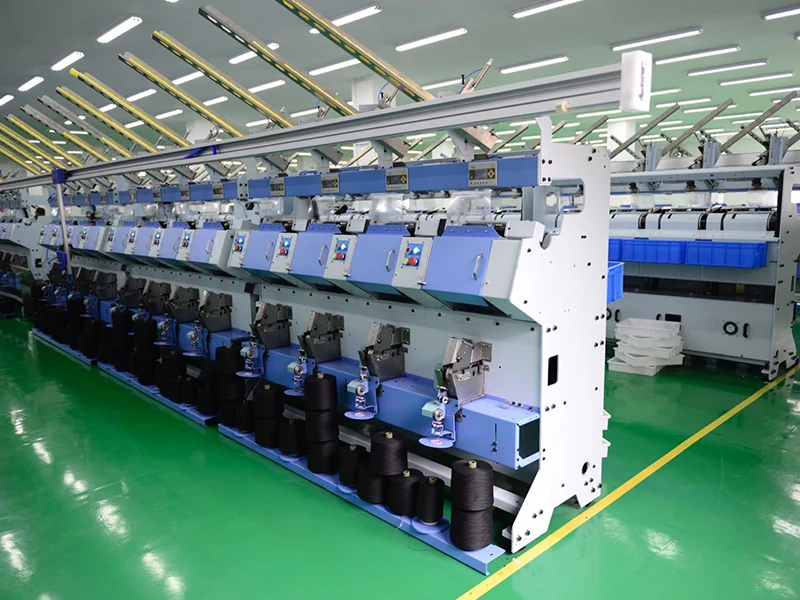
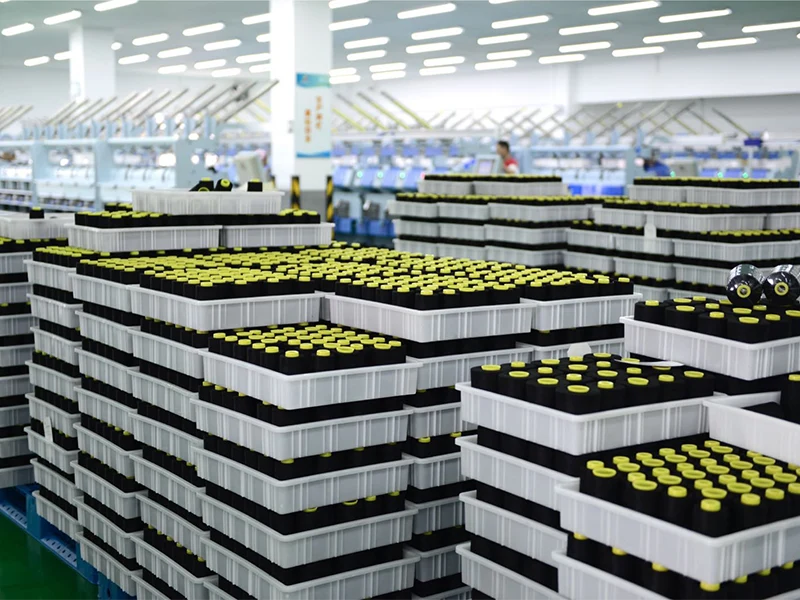
Consistent thread quality is important for reducing thread breakage, uneven stitches, and production interruptions. Derusen conducts internal quality inspections on production lots to evaluate key physical and performance characteristics before packaging and shipment.
Depending on the product specification, inspection procedures may include:
- Linear density and count variation testing according to EN ISO 2060.
- Single-end breaking force and elongation testing according to ISO 2062 and ASTM D2256.
- Twist per meter and twist direction inspection.
- Thread hairiness and surface consistency assessment.
- Color fastness testing for washing, rubbing, perspiration, and light.
- Friction performance testing for lubricated thread varieties.
- Relevant chemical safety checks for applicable product requirements.
Production batch records support product identification and quality traceability. Inspection criteria are selected according to the thread construction, applicable specifications, and intended application.
Applications of Spun Polyester Sewing Thread
Suitable for a broad range of textile, garment, and industrial sewing applications.
Denim and Casual Wear
Home Textiles
Bags and Luggage

Outdoor Gear and Tents
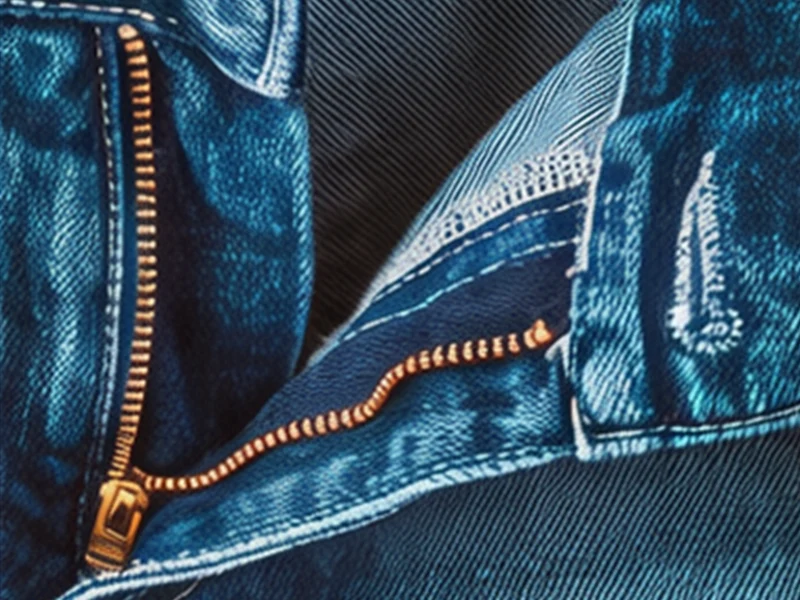
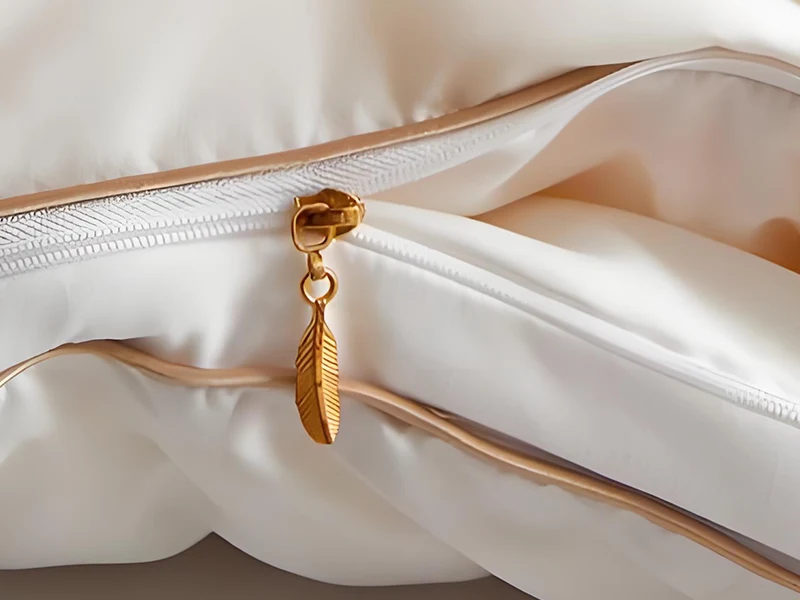
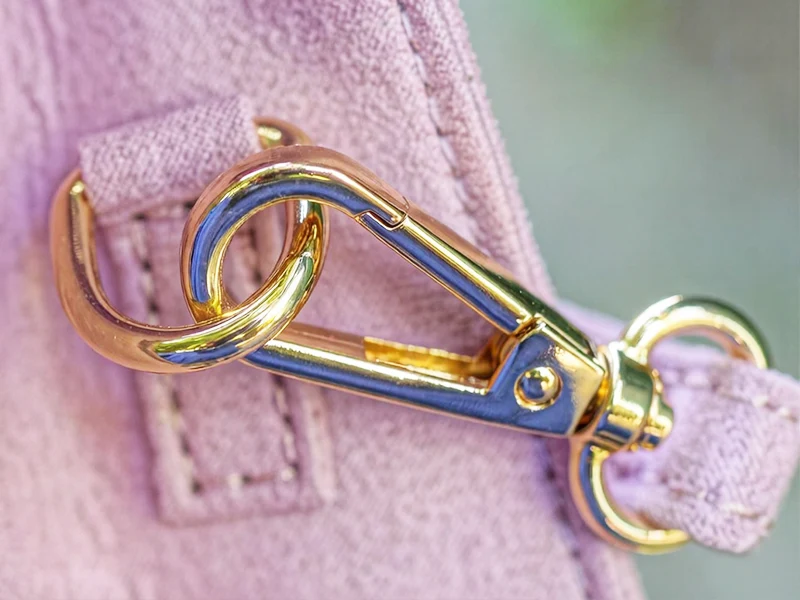
Spun polyester sewing thread is used in woven shirts, trousers, jackets, underwear, sportswear, workwear, bedding, upholstery, bags, footwear, and other sewn products. Its cotton-like surface is suitable for applications where a softer, less glossy stitch appearance is preferred. Polyester's abrasion resistance and strength also make it a practical option for products exposed to repeated handling, washing, and everyday use.
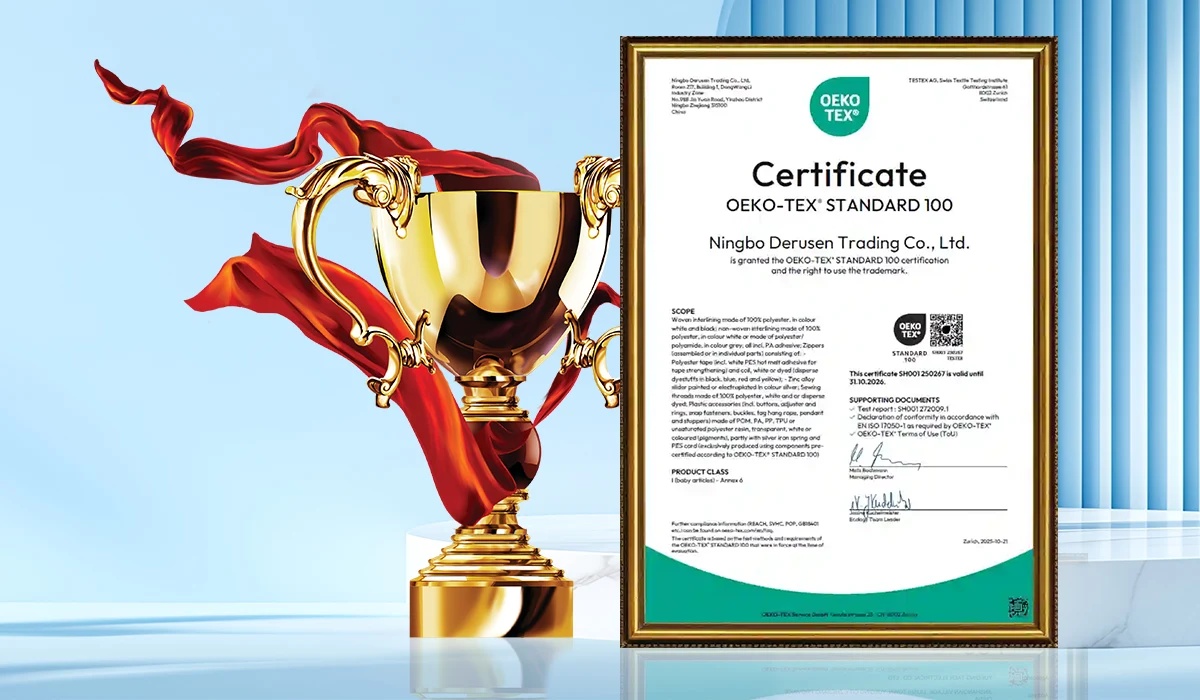
OEKO-TEX STANDARD 100 Certification
Product safety information for textile applications.
Textile Product Safety
Derusen spun polyester thread carries OEKO-TEX STANDARD 100 certification. This certification evaluates textile products and their components for harmful substances under the applicable testing requirements.
The applicable product class depends on the certified product and its intended use. Certification information and supporting documents can be requested for verification when evaluating the thread for garment and textile production.
China Spun Polyester Thread Manufacturer and Factory Supply
Integrated production and customized supply for international textile markets.
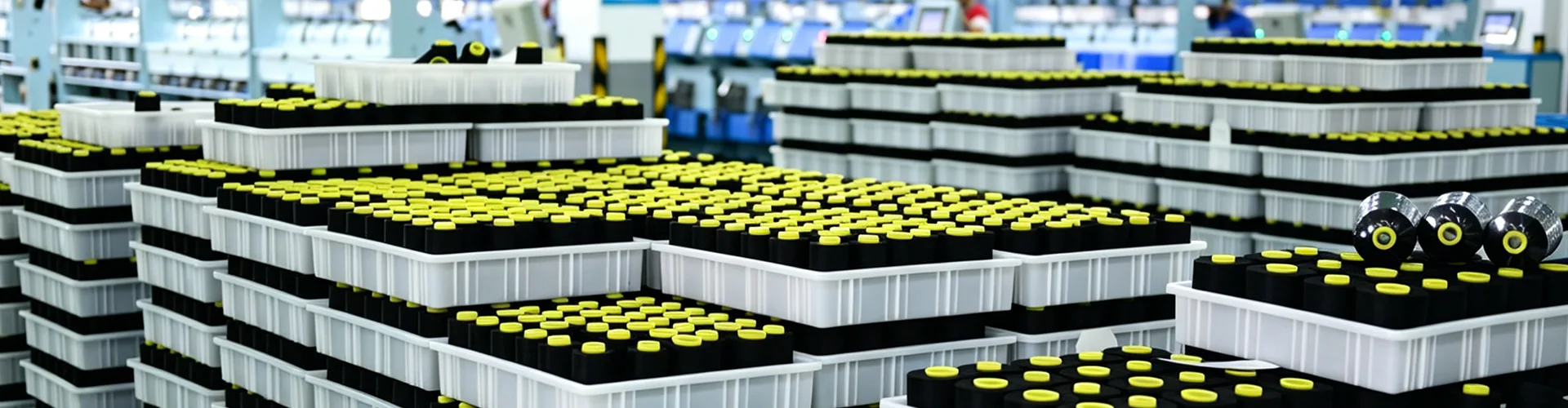
Derusen operates its own spinning, twisting, and dyeing production lines, with more than 860 production lines and a reported monthly capacity of 160 tonnes of spun polyester thread. Integrated manufacturing processes help coordinate yarn construction, color production, finishing, and quality inspection.
Derusen Manufacturing and Supply Capabilities
As a polyester sewing thread supplier from China, Derusen provides standard specifications and customized manufacturing options for different textile applications.
160 MT Monthly production capacity
860+ Production lines
800+ Available color shades
OEM, Private Label and Custom Packaging
OEM services are available for brands and textile businesses requiring private labels, custom color names, customized winding patterns, and retail-ready packaging. Packaging can be arranged for small bobbins and industrial cones according to the intended sewing equipment and order requirements.
Ordering, Pricing and Delivery
Spun polyester thread price depends on thread count, construction, color, finish, packaging, and order quantity. Factory direct supply allows specifications and production requirements to be discussed with the manufacturer. Standard orders are generally arranged within 7–15 working days, subject to stock availability, order confirmation, and production scheduling. Customized colors and special winding requirements may require additional preparation time.
Payment terms include T/T, L/C at sight, and D/P at sight, subject to order agreement. Color cards and trial cones are available for product evaluation, with courier costs covered by the recipient.
For additional information about the company and its manufacturing capabilities, visit Derusen factory and company introduction. You can also browse other polyester and sewing thread products or submit your requirements through our online inquiry page.
Frequently Asked Questions About Spun Polyester Sewing Thread
Common questions about thread construction, specifications, applications, and ordering.
1. What is spun polyester sewing thread?
Spun polyester sewing thread is made from short polyester staple fibers that are twisted together to form a continuous yarn. Its fibrous surface creates a softer, cotton-like stitch appearance, while polyester provides strength, abrasion resistance, and resistance to many common chemicals. It is widely used in garment sewing, home textiles, bags, and other textile applications.
2. What is the difference between spun polyester and continuous filament thread?
Spun polyester thread is made from short staple fibers, resulting in a slightly textured surface and a matte appearance. Continuous filament polyester thread consists of long, continuous filaments and generally has a smoother surface and more noticeable sheen. The choice depends on the desired stitch appearance, sewing conditions, and fabric requirements.
3. What thread counts and sizes are available?
Standard spun polyester sewing thread specifications range from Tex 18 to Tex 80, including cotton counts such as 60/2, 50/2, 40/2, 30/2, 40/3, 20/2, and 20/3. Additional constructions such as 20/4, 20/6, and 20/9 can also be discussed according to application requirements.
4. Is spun polyester thread suitable for high-speed sewing machines?
Yes. Properly specified spun polyester thread can be used in high-speed lockstitch, overlock, and coverstitch operations. TFO twisted thread is often preferred for automated production because its smoother construction and reduced hairiness can help improve thread feeding. Needle size, thread tension, lubrication, and machine condition should be adjusted to the specific sewing application.
5. Can I request custom colors and sample cones?
Yes. Derusen offers more than 800 color shades and supports custom color matching against Pantone references, CCC references, or physical samples. Color cards and trial cones are available for evaluation. Custom shades may require laboratory sample preparation and approval before bulk production.
6. What is the MOQ and delivery time for spun polyester thread?
MOQ depends on the thread count, color, packaging, and production requirements. Small trial orders can be discussed. Standard orders are generally arranged within 7–15 working days after order confirmation, while customized colors and special winding specifications may require additional preparation time.
7. Does Derusen spun polyester thread have OEKO-TEX certification?
Yes. Derusen spun polyester sewing thread carries OEKO-TEX STANDARD 100 certification. The applicable product class and certificate scope should be checked against the current certification documents. Supporting certification information can be requested when evaluating the product for textile and garment applications.
8. Does Derusen provide OEM and factory-direct polyester sewing thread?
Yes. Derusen provides OEM and customized supply options, including private labels, custom color names, winding specifications, and packaging arrangements. As a China-based manufacturer and supplier, Derusen can discuss product specifications, order quantities, and factory-direct pricing according to your requirements. Contact our team through the contact page for further information.
Looking for a Reliable Spun Polyester Sewing Thread Supplier?
Contact Derusen for thread specifications, color options, sample availability, OEM services, and factory-direct quotations.
Send Your InquiryRelated Category
Send Inquiry
Please feel free to give your inquiry in the form below. We will reply you in 24 hours.