

How Can 4 Way Stretch Fabric Improve Comfort, Flexibility, and Performance in Modern Apparel
Article Summary: 4 Way Stretch Fabric has become an important material for apparel manufacturers seeking a balance between flexibility, comfort, durability, and reliable shape retention. By stretching in both the lengthwise and crosswise directions, this versatile textile supports unrestricted movement in activewear, leggings, swimwear, outdoor clothing, and other fitted garments. This guide explores its composition, key benefits, applications, technical specifications, and purchasing considerations to help designers, sourcing managers, and clothing manufacturers make informed material decisions.
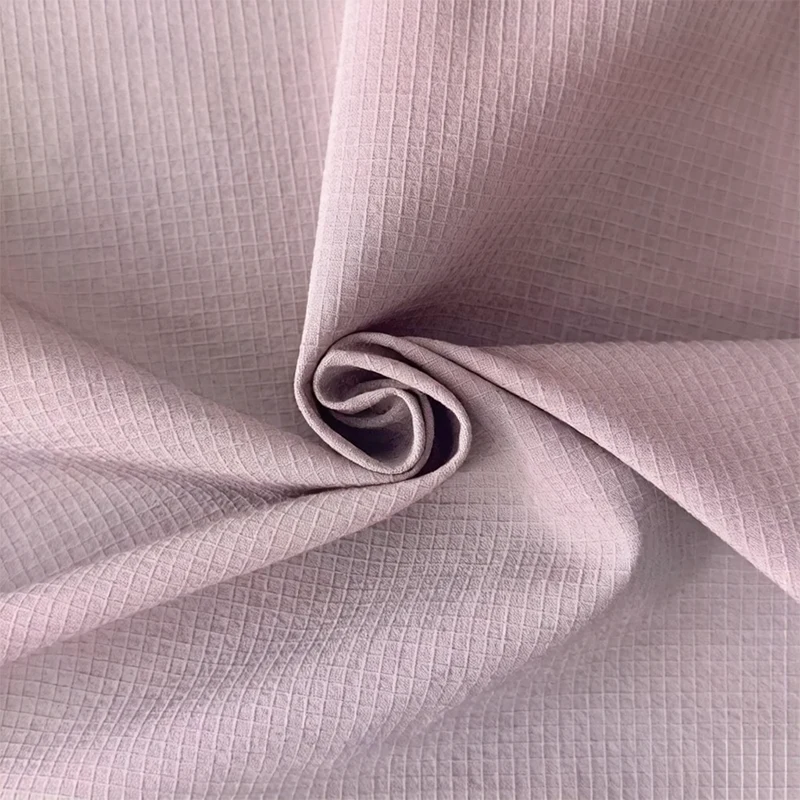
Table of Contents
- What Is 4 Way Stretch Fabric?
- How Does Four-Way Stretch Technology Work?
- What Are the Main Benefits of 4 Way Stretch Fabric?
- Where Is 4 Way Stretch Fabric Commonly Used?
- Technical Specifications and Material Options
- 4 Way Stretch Fabric vs. 2 Way Stretch Fabric
- How to Choose the Right Stretch Fabric
- Care and Maintenance Recommendations
- Frequently Asked Questions
- Conclusion: Finding the Right Fabric for Your Project
What Is 4 Way Stretch Fabric?
4 Way Stretch Fabric is an elastic textile designed to stretch in both the warp direction, which runs lengthwise, and the weft direction, which runs across the width. This multidirectional elasticity allows garments to accommodate body movements more naturally than many conventional fabrics with limited stretch.
Manufacturers commonly produce this material using blends such as nylon and spandex or polyester and spandex. Nylon can contribute a smooth hand feel and abrasion resistance, while polyester is valued for its dimensional stability, durability, and practical care characteristics. Spandex, also known as elastane, provides the elastic performance needed for stretching and recovery.
According to the product specifications published by Derusen, its 4 Way Stretch Fabric is available in nylon-spandex and polyester-spandex compositions, with listed fabric weights ranging from 80 to 250 GSM and a width of 57 or 58 inches. These options help clothing manufacturers evaluate materials for different garment structures and performance requirements.
The exact stretch level, recovery, softness, and durability depend on fiber composition, yarn specifications, fabric construction, and finishing processes. Therefore, buyers should assess the complete specification rather than relying on the four-way stretch label alone.
How Does Four-Way Stretch Technology Work?
The performance of four-way stretch textiles depends on the interaction between elastic fibers and the fabric structure. When a garment stretches during bending, reaching, squatting, or running, the material needs to extend sufficiently without creating excessive resistance. After the movement ends, it should recover toward its original dimensions.
In many applications, spandex or elastane is blended with nylon or polyester to provide this combination of flexibility and recovery. Depending on the intended product, the fabric may be knitted or woven, with each construction offering different characteristics in drape, surface texture, stability, and stretch behavior.
- Lengthwise stretch: Allows the material to extend along the garment's length.
- Widthwise stretch: Provides flexibility across the fabric, supporting a more adaptable fit.
- Elastic recovery: Helps the material return toward its original shape after stretching.
- Construction stability: Helps the fabric maintain a suitable balance between flexibility and structural support.
Derusen describes its four-way stretch material as offering a stretch rate of approximately 25%–50%. Actual results depend on the particular product and the test method used, so buyers should confirm the applicable specifications before finalizing a bulk order.
What Are the Main Benefits of 4 Way Stretch Fabric?
1. Greater Freedom of Movement
The most recognizable advantage of 4 Way Stretch Fabric is its ability to accommodate movement in multiple directions. This makes it suitable for garments worn during exercise, outdoor recreation, and physically demanding work. Wearers can bend, stretch, squat, and reach with less restriction when the fabric is correctly matched to the garment design.
2. Improved Fit and Shape Retention
Elasticity helps fitted garments adapt to different body positions. With suitable recovery performance, the material can also reduce the tendency of high-movement areas, such as knees and elbows, to remain stretched out after repeated wear. Pattern design, seam construction, and garment care still influence long-term shape retention.
3. Comfort for Extended Wear
Softness, flexibility, and appropriate fabric weight can make clothing more comfortable during long periods of use. A well-selected fabric should work with the garment's intended fit instead of feeling excessively tight or restricting circulation and movement.
4. Versatile Performance Options
Different fiber blends, weights, and finishing treatments allow manufacturers to select fabrics for specific applications. Some products prioritize breathability and moisture management, while others focus on abrasion resistance, water repellency, or additional protective functions. These properties are not automatic features of every four-way stretch textile and should be verified individually.
5. Broad Design Possibilities
From streamlined sportswear to fitted fashion garments, four-way stretch materials can support designs that combine functional movement with an attractive silhouette. Their versatility also allows brands to develop multiple product categories around a suitable material platform.
Where Is 4 Way Stretch Fabric Commonly Used?
The combination of elasticity, comfort, and adaptable construction makes this textile useful across several industries. Choosing the correct material requires consideration of the final product's movement requirements, environmental exposure, appearance, and expected service life.
- Activewear and sportswear: Leggings, yoga pants, training tops, cycling garments, and performance clothing.
- Swimwear: Selected swimsuit designs that require a close fit and multidirectional flexibility, subject to suitable chlorine and water resistance.
- Outdoor apparel: Hiking trousers, mountaineering clothing, jackets, and other garments designed for active movement.
- Fashion clothing: Stretch shirts, fitted trousers, dresses, and garments requiring improved mobility.
- Workwear and uniforms: Selected uniforms that benefit from flexibility, provided the fabric meets the relevant job-specific performance and safety requirements.
- Accessories and other products: Certain bags, shoes, hats, and home textile products, depending on their structural and performance needs.
Derusen identifies sportswear, swimwear, leggings, shirts, garments, shoes, and bags among the potential uses of its four-way stretch fabric. For specialized outdoor or protective clothing, buyers should confirm any additional requirements for water resistance, flame resistance, visibility, or other regulated properties.
Technical Specifications and Material Options
Before purchasing 4 Way Stretch Fabric, buyers should compare measurable specifications alongside the fabric's appearance and hand feel. The following table summarizes the product information published by Derusen. Final order specifications should be confirmed with the supplier.
| Specification | Published Product Information | Why It Matters |
|---|---|---|
| Product name | 4 Way Stretch Fabric | Identifies the textile category |
| Material composition | Nylon + Spandex; Polyester + Spandex | Influences stretch, durability, touch, and appearance |
| Yarn specifications | 40D, 75D, 210D, 420D, 450D, 600D, 840D, 900D, 1000D, 1200D | Helps buyers evaluate yarn options for different constructions |
| Fabric weight | 80–250 GSM | Affects thickness, drape, coverage, and garment structure |
| Width | 57 or 58 inches | Supports pattern planning and material consumption estimates |
| Finishing | Dyed | Relevant to color selection and appearance |
| Listed applications | Swimwear, leggings, shirts, garments, shoes, and bags | Provides a starting point for application matching |
| Minimum order quantity | 1,200 meters | Important for production planning and purchasing budgets |
| Typical lead time | Approximately 25–30 days after lab-dip confirmation and receipt of a 30% deposit | Helps coordinate sampling and production schedules |
Important purchasing note: The specifications above are based on Derusen's published product page and should be reconfirmed before ordering. Yarn denier options do not necessarily mean that every listed denier is available in every composition, weight, or construction. Buyers should request a matching technical data sheet and physical sample for the exact material under consideration.
4 Way Stretch Fabric vs. 2 Way Stretch Fabric
Although both fabric types can incorporate elastic fibers, their stretch behavior differs. A two-way stretch fabric generally stretches primarily in one direction, while a four-way stretch fabric stretches in both the lengthwise and crosswise directions. The better option depends on the garment pattern, intended fit, and movement demands.
| Comparison Factor | 4 Way Stretch Fabric | 2 Way Stretch Fabric |
|---|---|---|
| Stretch directions | Lengthwise and crosswise | Primarily one direction |
| Movement adaptability | Well suited to multidirectional movement | Suitable when movement demands are more limited or directional |
| Typical garment applications | Leggings, activewear, fitted sportswear | Selected trousers, uniforms, and structured garments |
| Pattern considerations | Requires attention to stretch and recovery in both directions | Requires correct orientation of the primary stretch direction |
| Selection priority | Multidirectional flexibility and fit | Directional stretch and construction requirements |
Four-way stretch is not automatically superior for every garment. Structured clothing may benefit from a more stable fabric, while high-movement designs often benefit from elasticity in both directions. Testing fabric behavior alongside the garment pattern is the most reliable way to make a decision.
How to Choose the Right Stretch Fabric
For clothing brands, wholesalers, and garment factories, selecting the right fabric involves more than comparing prices. A suitable specification should meet the finished product's performance targets while remaining practical for cutting, sewing, quality control, and bulk production.
- Define the end use. Determine whether the material is intended for activewear, swimwear, outdoor apparel, fashion garments, or another application.
- Choose the fiber composition. Compare nylon-spandex and polyester-spandex options based on touch, durability, moisture behavior, appearance, and budget.
- Confirm weight and width. Select an appropriate GSM and usable width for the garment design, coverage requirements, and cutting layout.
- Measure stretch and recovery. Ask for test results in both directions, including recovery after repeated stretching where relevant.
- Check color and finishing. Request lab dips or color swatches and verify the desired finish before bulk production.
- Evaluate performance requirements. For demanding applications, confirm abrasion resistance, pilling, dimensional stability, colorfastness, moisture management, or water resistance as applicable.
- Review production terms. Confirm MOQ, sampling arrangements, lead time, payment terms, packaging, shipping, and inspection procedures.
- Test a production-representative sample. Check sewing performance, seam behavior, fit, recovery, and appearance before approving a large order.
Buyers can also review related textile categories, such as functional fabrics from Derusen, to compare material options for different apparel and industrial requirements. The final selection should always be based on the specifications needed for the intended application.
Care and Maintenance Recommendations
Proper care helps preserve the performance and appearance of stretch garments. Since washing instructions vary according to fiber composition, dyes, and finishing treatments, the garment's care label should always take priority.
- Wash according to the recommended temperature and care instructions.
- Use a suitable detergent and avoid harsh bleaching agents unless specifically permitted.
- Avoid excessive heat during washing, drying, and ironing when the material is heat-sensitive.
- Do not stretch wet garments unnecessarily during handling or storage.
- Follow the manufacturer's instructions for garments exposed to chlorine, salt water, oils, or other demanding conditions.
- Inspect seams, elastic areas, and high-friction zones regularly when garments are used frequently.
It is important to remember that four-way stretch describes the fabric's stretch directions, not a guarantee of permanent elasticity or a specific service life. Fiber quality, fabric construction, finishing, laundering, and usage all influence long-term performance.
Frequently Asked Questions
1. What is 4 Way Stretch Fabric made of?
It is commonly made from elastic fiber blends such as nylon-spandex or polyester-spandex. The precise composition varies by product and should be confirmed through the supplier's technical specifications.
2. What is the difference between four-way stretch and two-way stretch?
Four-way stretch fabric stretches in both the lengthwise and crosswise directions. Two-way stretch fabric generally stretches primarily in one direction, making it suitable for applications with different flexibility requirements.
3. Is 4 Way Stretch Fabric suitable for sportswear?
Yes. It is widely used for leggings, yoga clothing, training garments, and other sportswear because multidirectional elasticity can support movement and a close fit. The ideal choice also depends on breathability, moisture management, opacity, and recovery performance.
4. Does all four-way stretch fabric have moisture-wicking or waterproof properties?
No. Stretch performance alone does not guarantee moisture-wicking or waterproof functionality. These characteristics depend on fiber selection, fabric construction, coatings, membranes, and finishing treatments. Buyers should request specific test information for any required functional property.
5. What fabric weight should I choose?
The ideal weight depends on the finished product. Lightweight options may suit some tops and flexible garments, while heavier fabrics may provide more coverage or structure. Consider opacity, drape, climate, fit, and garment construction when selecting GSM.
6. Can I request samples before placing a bulk order?
Derusen states that free samples can generally be delivered in approximately seven days, with shipping fees payable by the recipient. Confirm current sample availability, shipping arrangements, and whether the sample matches your intended bulk specification before ordering.
7. What is Derusen's minimum order quantity?
The product page lists a minimum order quantity of 1,200 meters. Buyers should confirm the MOQ for their selected composition, color, weight, and finishing requirements directly with the supplier.
8. How long does production usually take?
Derusen lists a typical lead time of approximately 25–30 days after lab-dip confirmation and receipt of a 30% deposit. Customized colors and other requirements may affect the actual schedule, so the final delivery timeline should be agreed upon before production begins.
Conclusion: Finding the Right Fabric for Your Project
4 Way Stretch Fabric offers a practical combination of multidirectional elasticity, comfort, and design versatility for modern apparel and selected textile applications. Its performance depends on the interaction between fiber composition, yarn specifications, fabric weight, construction, finishing, and garment design. By checking these factors carefully, buyers can select a material that better meets their expectations for fit, movement, durability, and production consistency.
Derusen supplies four-way stretch fabric in nylon-spandex and polyester-spandex options, with published specifications covering multiple yarn deniers, 80–250 GSM weights, and widths of 57 or 58 inches. If you are sourcing fabric for activewear, swimwear, leggings, outdoor garments, or other textile products, contact us at Derusen to discuss your application, request samples, confirm technical specifications, and obtain a quotation for your project. Working with a clearly defined fabric specification from the sampling stage can help streamline purchasing decisions and support a more reliable production process.
Previous:No News
Send Inquiry
-
E-mail