

How Can Artificial Leather Help Manufacturers Create Durable, Stylish, and Cost-Effective Products
Derusen provides artificial leather solutions for manufacturers seeking versatile materials for fashion accessories, upholstery, footwear, and other consumer products. By combining attractive surface finishes with practical performance, artificial leather helps businesses balance product design, material consistency, and production costs.
Artificial leather has become a practical material choice for businesses that need consistent appearance, flexible design options, and dependable performance. Available in different polymer compositions, backing structures, textures, and colors, it can support applications ranging from bags and footwear to furniture and automotive interiors. This guide explains how artificial leather is made, compares PU and PVC materials, examines key performance factors, and outlines how buyers can evaluate suppliers. It also highlights the importance of material testing, application-specific specifications, and appropriate maintenance when sourcing artificial leather for commercial production.
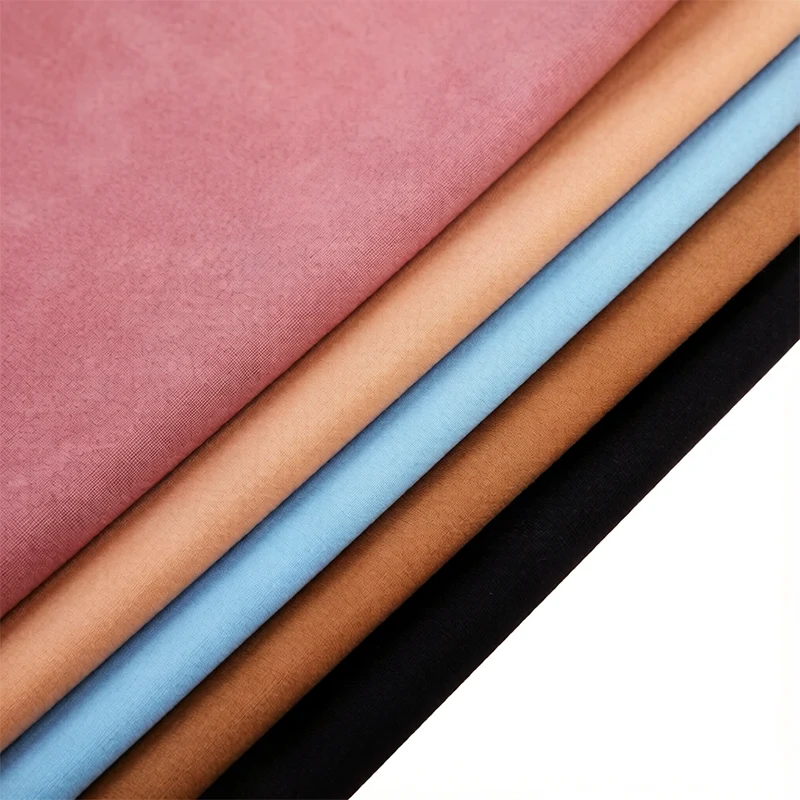
Table of Contents
- What Is Artificial Leather?
- What Are the Main Types of Artificial Leather?
- How Is Artificial Leather Manufactured?
- What Are the Key Benefits of Artificial Leather?
- Where Is Artificial Leather Commonly Used?
- How Can Buyers Choose the Right Artificial Leather?
- How Does Quality Control Affect Material Performance?
- How Should Artificial Leather Be Maintained?
- Frequently Asked Questions About Artificial Leather
- Conclusion: Choosing the Right Artificial Leather Supplier
What Is Artificial Leather?
Artificial leather, also known as synthetic leather, faux leather, or imitation leather, is a manufactured material designed to reproduce the appearance and selected characteristics of natural leather. It typically consists of a textile backing covered with a polymer layer, with the final properties determined by the coating formulation, substrate, and finishing process.
Unlike genuine leather, artificial leather does not require animal hides. Manufacturers can control its color, surface grain, thickness, flexibility, and finish to suit different product designs. This consistency makes it particularly useful for businesses producing items in multiple colors or large quantities.
Modern artificial leather is available in smooth, matte, glossy, embossed, and textured finishes. Depending on its construction, it can provide a soft hand feel, abrasion resistance, flexibility, or easy-clean characteristics. However, performance varies between material grades, so buyers should evaluate the specifications of the exact product rather than assume every synthetic leather offers the same benefits.
For businesses sourcing fabric for bags, accessories, garments, or other finished goods, Derusen's artificial leather product range provides a starting point for exploring material options according to design and manufacturing requirements.
What Are the Main Types of Artificial Leather?
The two widely used coating materials are polyurethane (PU) and polyvinyl chloride (PVC). Both can create leather-like surfaces, but they differ in feel, construction, processing requirements, and suitability for particular applications.
1. PU Artificial Leather
PU artificial leather uses a polyurethane-based surface coating. It is commonly selected for products where softness, flexibility, and a refined leather-like appearance are important. Depending on its formulation and backing, it can be suitable for fashion accessories, clothing, footwear, and selected upholstery applications.
- Softness: Often provides a supple hand feel suitable for products handled frequently.
- Design versatility: Supports different textures, colors, and surface finishes.
- Flexibility: Can accommodate applications involving bending, folding, or shaping when appropriately specified.
- Selection considerations: Hydrolysis resistance, coating durability, and flex performance should be verified for demanding applications.
2. PVC Artificial Leather
PVC artificial leather uses a polyvinyl chloride-based coating, often combined with plasticizers and other additives according to the intended formulation. It can provide a durable, easy-to-clean surface for applications where appearance retention and practical maintenance are priorities.
- Surface durability: Performance depends on the formulation, coating thickness, and backing construction.
- Easy cleaning: Many grades can be maintained with a damp cloth and an appropriate mild cleaner.
- Cost management: Certain PVC constructions can offer an economical option for high-volume production.
- Selection considerations: Flexibility, low-temperature behavior, plasticizer migration, and applicable chemical requirements should be assessed.
Neither material is universally superior. The appropriate choice depends on the finished product, expected service conditions, design goals, and required test results.
How Is Artificial Leather Manufactured?
Artificial leather production involves several stages that influence the finished material's appearance, physical properties, and consistency. Although individual production lines differ, the general process includes the following steps.
- Backing preparation: A textile substrate is selected according to the required strength, flexibility, weight, and surface support.
- Coating or lamination: A polymer layer is applied or bonded to the backing using a suitable manufacturing process.
- Surface texturing: Embossing, printing, or other finishing techniques create the desired grain, pattern, and visual effect.
- Finishing treatment: Additional treatments may be applied to achieve specified tactile, color, or surface characteristics.
- Inspection and preparation: The finished material is checked against agreed requirements before cutting, rolling, packing, or shipment.
| Production Stage | Main Purpose | Important Consideration |
|---|---|---|
| Backing preparation | Provides structural support | Substrate strength and flexibility |
| Coating application | Creates the functional surface | Coating uniformity and adhesion |
| Embossing and finishing | Establishes appearance and texture | Pattern consistency and color |
| Quality inspection | Checks product conformity | Physical performance and visual defects |
For procurement teams, understanding these stages helps clarify why two materials with similar appearances may behave differently during cutting, stitching, lamination, or long-term use. A suitable specification should therefore describe both the visible finish and the performance requirements of the intended application.
What Are the Key Benefits of Artificial Leather?
Artificial leather offers several practical advantages for manufacturers, designers, and brands. The value of each benefit depends on the material grade and the conditions under which the finished product will be used.
Consistent Appearance Across Production Runs
Controlled manufacturing makes it possible to reproduce similar colors, grains, and finishes across multiple production batches. This is particularly helpful for brands maintaining a consistent appearance across product collections or replacement components.
Flexible Design Options
Manufacturers can select from a wide range of surface textures, colors, gloss levels, and backing structures. These options allow product developers to create different visual styles without changing the entire product construction.
Practical Maintenance
Many artificial leather surfaces can be cleaned with relatively simple methods. This is useful for bags, accessories, upholstery, and other products exposed to routine handling. Cleaning compatibility must still be confirmed for the specific material.
Production and Cost Efficiency
Artificial leather can simplify material planning by offering repeatable dimensions and surface characteristics. Depending on the grade, it may also help manufacturers manage material costs and reduce appearance-related variation during production.
Application-Specific Performance
Different backing materials, coatings, and finishing methods allow artificial leather to be developed for different performance priorities. Buyers can specify properties such as tear strength, abrasion resistance, flexibility, or colorfastness when these are relevant to the end use.
It is important to distinguish between potential benefits and verified performance. Claims involving waterproofness, flame resistance, environmental impact, or extended service life should be supported by product-specific documentation and suitable test methods.
Where Is Artificial Leather Commonly Used?
Artificial leather serves a broad range of industries because it combines a customizable surface with a flexible material structure. The most suitable grade depends on how the finished product will be manufactured and used.
| Industry | Typical Products | Key Selection Priorities |
|---|---|---|
| Bags and luggage | Handbags, backpacks, travel accessories | Tear strength, folding performance, surface durability |
| Fashion and apparel | Garments, belts, decorative accessories | Softness, flexibility, color, texture |
| Footwear | Shoe uppers, decorative panels, selected footwear components | Flex resistance, abrasion, bonding compatibility |
| Furniture and upholstery | Chair coverings, sofa upholstery, decorative surfaces | Wear resistance, cleaning compatibility, hand feel |
| Automotive interiors | Seat coverings, door trim, interior panels | Heat aging, abrasion, odor, and applicable safety requirements |
| Consumer products | Protective cases, organizers, lifestyle accessories | Appearance, dimensional consistency, handling durability |
For example, a fashion bag manufacturer may prioritize color matching and a premium surface finish, while a footwear producer may need greater flexibility and resistance to repeated bending. Automotive applications can involve additional requirements for emissions, flammability, aging, and odor.
Identifying the final application before requesting quotations allows suppliers to recommend more relevant material options and helps buyers avoid paying for unnecessary features or selecting a grade that cannot meet actual performance requirements.
How Can Buyers Choose the Right Artificial Leather?
Choosing artificial leather involves more than comparing colors or prices. A structured sourcing process helps businesses align the material with product design, manufacturing conditions, and quality expectations.
Define the Intended Application
Explain whether the material will be used for a bag, garment, shoe, furniture component, or another product. Describe expected exposure to friction, moisture, sunlight, heat, cleaning agents, or repeated folding.
Confirm Technical Specifications
Request the relevant measurements and performance requirements. Depending on the application, these may include:
- Coating composition and backing material.
- Total thickness, usable width, and material weight.
- Tensile strength and tear resistance.
- Abrasion resistance and flexing performance.
- Colorfastness to rubbing and light exposure.
- Adhesion, hydrolysis resistance, or other application-specific tests.
Evaluate Appearance and Processing Compatibility
Request physical samples before approving bulk production. Test the material using the actual cutting, stitching, folding, bonding, or forming process wherever possible. A sample that looks attractive may still be unsuitable if it stretches excessively, marks easily, or performs poorly during assembly.
Assess Supplier Communication and Consistency
A dependable artificial leather supplier should be able to explain available material options, clarify technical specifications, and confirm the agreed quality criteria. Buyers should also discuss minimum order quantities, lead times, packaging, and procedures for handling nonconforming material.
Before placing a large order, consider this practical checklist:
- Have the intended use and required performance been documented?
- Has the sample been evaluated under realistic processing conditions?
- Are color, texture, thickness, and width clearly specified?
- Are the required test methods and acceptance criteria agreed upon?
- Have delivery schedules, order quantities, and inspection arrangements been confirmed?
These steps create a clearer basis for comparing quotations and help reduce the risk of production delays caused by unsuitable material.
How Does Quality Control Affect Material Performance?
Quality control is essential because small differences in coating application, backing construction, or surface finishing can affect how artificial leather performs. Visual inspection alone cannot establish every mechanical or chemical property, so testing should reflect the product's intended use.
| Inspection Item | What It Evaluates | Why It Matters |
|---|---|---|
| Thickness measurement | Material dimensions and variation | Supports consistent cutting and assembly |
| Surface inspection | Marks, uneven texture, and visible defects | Helps maintain product appearance |
| Abrasion testing | Resistance to surface wear under a defined method | Assesses suitability for repeated contact |
| Flex testing | Resistance to cracking during repeated bending | Important for folded or moving components |
| Colorfastness testing | Resistance to color transfer or fading | Helps preserve the intended appearance |
| Adhesion testing | Bond strength between relevant layers | Helps identify potential delamination risks |
Not every application requires every test. Buyers should identify the critical risks and agree on appropriate methods, sampling plans, and acceptance limits with their suppliers. For regulated or safety-sensitive products, applicable market requirements must also be confirmed before production.
For additional product information, buyers can visit the Derusen Artificial Leather page and discuss the material requirements relevant to their projects.
How Should Artificial Leather Be Maintained?
Correct maintenance can help preserve the appearance of artificial leather and reduce avoidable surface damage. Because coating formulations vary, users should follow the cleaning instructions supplied for the specific grade.
- Remove dust regularly: Use a soft, dry cloth to prevent dirt from accumulating on the surface.
- Clean gently: Where permitted, use a damp cloth and a mild, compatible cleaning solution.
- Avoid abrasive tools: Rough brushes and aggressive scrubbing can damage the finish.
- Check cleaning products first: Test unfamiliar cleaners on a small, inconspicuous area before wider use.
- Limit excessive heat: Follow the material's storage and use recommendations to reduce the risk of deformation or surface deterioration.
- Store appropriately: Keep unused rolls clean, dry, and protected from direct sunlight and unnecessary pressure.
Do not assume that all artificial leather grades are waterproof, solvent-resistant, or suitable for disinfectants. Testing the cleaning method on the actual material is a sensible precaution for commercial products and upholstery.
Frequently Asked Questions About Artificial Leather
1. What is artificial leather made of?
Artificial leather typically consists of a textile backing combined with a synthetic polymer coating, commonly PU or PVC. The backing, coating formulation, and surface finish determine its appearance and performance.
2. Is artificial leather suitable for everyday use?
Yes. Appropriate grades can be used for bags, footwear, furniture, garments, and many other everyday products. Durability depends on the construction, usage conditions, and quality of the selected material.
3. What is the difference between PU and PVC artificial leather?
PU artificial leather is often selected for its soft feel and refined appearance, while PVC artificial leather can be suitable for applications requiring practical cleaning and specific durability characteristics. The better option depends on the required specifications rather than the coating type alone.
4. Can artificial leather be customized?
Depending on the supplier's capabilities, customization may include color, surface texture, embossing pattern, thickness, backing, and finish. Buyers should confirm available options, minimum order quantities, and sample approval procedures before ordering.
5. How can buyers check artificial leather quality?
Start with a visual inspection and sample evaluation, then request relevant technical data and test reports. Depending on the intended use, important checks may include thickness consistency, abrasion resistance, tear strength, flexibility, colorfastness, and coating adhesion.
6. Is artificial leather more environmentally friendly than genuine leather?
There is no universal answer. Environmental impact depends on raw materials, manufacturing processes, chemical management, product lifespan, and end-of-life treatment. Buyers seeking lower-impact materials should request specific evidence about composition, emissions, restricted substances, and recycling options rather than relying on general marketing claims.
7. What information should be provided when requesting an artificial leather quotation?
Provide the intended application, preferred material type, color, texture, thickness, width, estimated order quantity, performance requirements, and delivery destination. Reference samples, drawings, or technical specifications can help the supplier assess the request more accurately.
Conclusion: Choosing the Right Artificial Leather Supplier
Artificial leather gives manufacturers a flexible way to develop products with consistent appearance, practical functionality, and a wide range of design possibilities. From bags and fashion accessories to footwear and upholstery, the right material can support efficient production while meeting the expectations of the intended market. Successful sourcing depends on matching the backing, coating, surface finish, and verified performance characteristics to the actual application.
Derusen offers an opportunity for buyers to explore artificial leather options for their material sourcing needs. If your business is developing a new product, expanding an existing collection, or seeking a more suitable material for production, visit the Artificial Leather product page to learn more. For material recommendations, customization discussions, and purchasing inquiries, contact us to discuss your requirements and identify an artificial leather solution aligned with your product specifications, quality expectations, and production plans.
Previous:No News
Send Inquiry
-
E-mail