

How Can Microfiber Bedsheet Fabric Deliver Comfort, Durability, and Better Value for Bedding Brands
Derusen, a professional textile supplier, offers Microfiber Bedsheet Fabric designed for bedding manufacturers, home textile brands, wholesalers, and hospitality suppliers seeking versatile fabric solutions. With customizable widths, weights, colors, and printing options, microfiber fabric supports diverse bedding designs and commercial requirements.
Microfiber bedsheet fabric is a practical textile choice for manufacturers looking to balance softness, durability, appearance, and production efficiency. Commonly made from fine polyester fibers, it can be woven in different structures and finished through dyeing, printing, brushing, or embossing to meet varied market preferences. Key purchasing considerations include fiber composition, fabric weight, width, weave, colorfastness, shrinkage, and end-use requirements. This guide explains the characteristics of microfiber fabric, compares common fabric options, explores its applications, and outlines how buyers can evaluate a reliable supplier. Derusen provides microfiber bedsheet fabric with customizable specifications, including weights from 55 to 250 GSM and widths from 150 to 300 cm, subject to product requirements and confirmation. These options help buyers develop bedding materials for residential, hospitality, and other home textile applications.
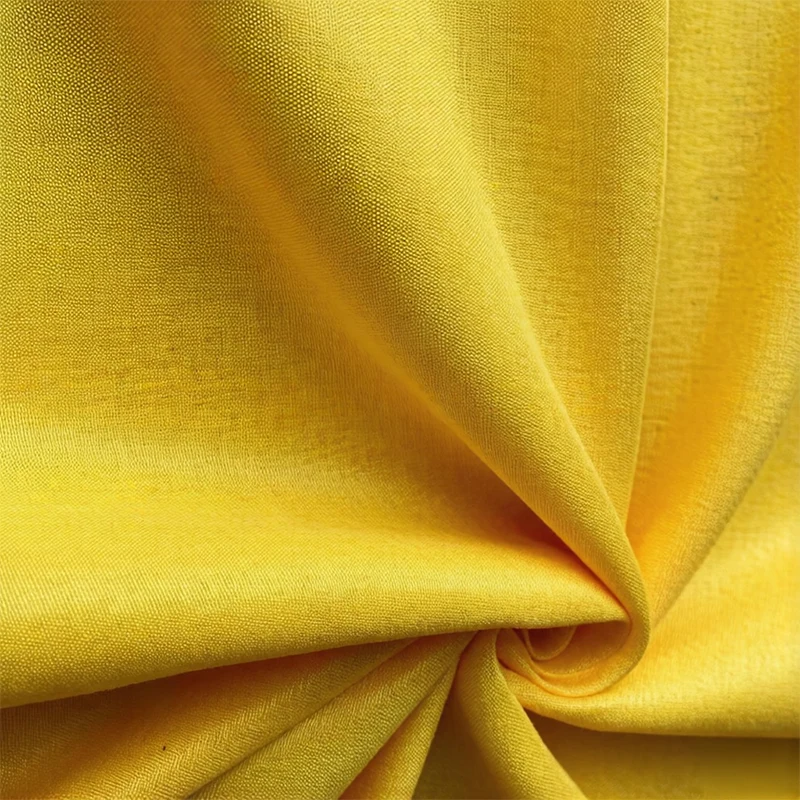
Table of Contents
- What Is Microfiber Bedsheet Fabric?
- What Are the Main Benefits of Microfiber Fabric?
- Which Specifications Matter Most When Buying Microfiber Fabric?
- How Does Microfiber Compare with Other Bedding Fabrics?
- Where Is Microfiber Bedsheet Fabric Used?
- How Can Buyers Choose the Right Microfiber Fabric?
- What Quality Checks Should Buyers Perform?
- Frequently Asked Questions
- Conclusion: Finding a Suitable Fabric Partner
What Is Microfiber Bedsheet Fabric?
Microfiber bedsheet fabric is a textile made from very fine fibers and commonly produced using polyester. Depending on the product specification, it may feature plain, twill, satin-like, embossed, or other surface constructions. Its final performance depends on fiber composition, yarn characteristics, weaving density, finishing treatments, and manufacturing quality.
Compared with many traditional bedding materials, polyester microfiber can provide a smooth hand feel, relatively easy care, and good resistance to everyday wrinkling. Manufacturers can also adapt its appearance through solid dyeing, bleaching, disperse printing, pigment printing, or digital printing.
Derusen's product range includes microfiber bedsheet fabric for bedding and other textile applications. According to its published product information, the fabric can be customized in weight, width, color, and printing method. Buyers should confirm the precise composition and finishing requirements for their selected product before placing an order.
Common Construction and Finishing Options
- Plain weave: A straightforward construction suitable for many everyday bedding products.
- Twill weave: A diagonal weave structure that can provide a distinctive surface appearance and different drape characteristics.
- Solid-dyed fabric: Suitable for coordinated bedding collections and consistent color themes.
- Printed fabric: Supports floral, geometric, children's, seasonal, and other decorative designs.
- Embossed fabric: Adds a textured surface for products requiring a more distinctive visual finish.
What Are the Main Benefits of Microfiber Fabric?
1. A Smooth and Comfortable Surface
Fine fibers can create a soft, smooth surface that feels pleasant against the skin. Brushed microfiber may provide an additional peach-like touch, making it suitable for bedding collections designed around a cozy feel. Actual comfort depends on fiber fineness, fabric construction, finishing, and personal preference.
2. Convenient Everyday Care
Polyester microfiber is generally quick-drying and often less prone to wrinkling than untreated cotton fabrics. These characteristics can help reduce routine handling in homes, guest rooms, and accommodation facilities. Correct washing and drying instructions remain important for preserving the fabric's appearance and service life.
3. Flexible Design Possibilities
Microfiber can be manufactured in various colors, patterns, and surface finishes. This flexibility helps bedding brands build coordinated product lines, from simple solid-color sheets to visually distinctive printed collections.
4. Lightweight Options for Different Products
Fabric weight can influence drape, coverage, hand feel, and perceived substance. Lightweight constructions may suit economical bedding collections, while heavier options can provide a different degree of body and structure. A higher GSM value does not automatically mean better quality; the right specification depends on the intended product.
5. Practical Production Planning
Wide fabric rolls can help manufacturers plan cutting layouts for large bedding panels. Choosing a suitable width and stable construction can reduce avoidable offcuts, although actual material efficiency depends on sheet dimensions, pattern placement, roll quality, and cutting methods.
Which Specifications Matter Most When Buying Microfiber Fabric?
Before requesting a quotation, buyers should prepare a clear technical specification. This helps suppliers assess production feasibility, estimate material requirements, and recommend a suitable construction.
| Specification | Derusen's Published Range or Options | What Buyers Should Confirm |
|---|---|---|
| Material | 100% polyester and cotton listed | Exact fiber composition for the selected fabric |
| Fabric weight | 55–250 GSM | Target weight and acceptable tolerance |
| Fabric width | 150–300 cm | Usable width after finishing and cutting allowances |
| Fabric structure | Plain, twill, satin, embossed, and embroidered options listed | Available construction for the requested composition |
| Color and printing | Bleached white, dyed, disperse, pigment, stencil, and digital printing | Color reference, pattern file, and colorfastness requirements |
| Functional features | Breathable, quick-drying, tear-resistant, and optional waterproof features listed | Test methods and performance requirements for each claim |
| Delivery and logistics | Published lead time of 20–30 days after deposit | Current production schedule, order quantity, and shipping terms |
Note: The specifications above are based on Derusen's published product page. Confirm current availability, the exact material construction, applicable test results, and order-specific delivery conditions directly with the supplier.
Why GSM and Width Deserve Special Attention
GSM means grams per square meter and indicates fabric mass per unit area. A fabric with a higher GSM is generally heavier, but its softness and durability also depend on yarn quality, weave density, and finishing. Width is equally important because it affects cutting efficiency and the dimensions of the finished bedding products.
For buyers comparing samples, it is useful to evaluate weight and width alongside hand feel, opacity, surface uniformity, dimensional stability, and sewing performance. This provides a more complete assessment than relying on a single specification.
How Does Microfiber Compare with Other Bedding Fabrics?
Microfiber, cotton, and cotton-polyester blends each have different strengths. The best choice depends on the target customer, climate, price positioning, care requirements, and intended service conditions.
| Comparison Factor | Polyester Microfiber | Cotton | Cotton-Polyester Blend |
|---|---|---|---|
| Surface feel | Often smooth and soft, especially with suitable finishing | Varies by fiber quality and weave | Depends on blend ratio and construction |
| Drying behavior | Generally quick-drying | Often retains more moisture and takes longer to dry | Usually between the characteristics of its component fibers |
| Wrinkle resistance | Generally good | Varies; many cotton fabrics wrinkle more readily | Often improved compared with 100% cotton |
| Moisture management | Depends on structure and finishing; may feel warm to some users | Absorbs moisture well | Depends on the fiber ratio and fabric design |
| Design flexibility | Supports a wide range of colors and prints | Supports diverse weaves, dyes, and prints | Offers options based on the chosen blend |
| Care requirements | Often easy to wash and quick to dry | Care varies with weave, dye, and finishing | Depends on construction and finishing |
Microfiber may be a strong choice for buyers prioritizing easy care, lightweight constructions, and design flexibility. Cotton may be preferable when natural fiber content and absorbency are key selling points. Blended fabrics can provide a middle ground. No single material is ideal for every customer or sleeping environment.
Where Is Microfiber Bedsheet Fabric Used?
Although its primary application is bedding, microfiber fabric can also support several related home textile products. The required weight, width, weave, and finishing should be selected according to the final application.
- Residential bedding: Flat sheets, fitted sheets, pillowcases, and coordinated bedding sets.
- Hotel and guest accommodation textiles: Bedding products selected according to laundry routines, replacement budgets, and guest comfort expectations.
- Quilt covers: Printed or dyed constructions that coordinate with bedroom décor.
- Mattress-related textiles: Suitable fabric constructions for selected covers and textile components, subject to product design.
- Other home textiles: Certain fabric constructions may be suitable for curtains, linings, and related applications.
For commercial buyers, the intended application should be established before production. A fabric suitable for a decorative pillowcase may not meet the abrasion, dimensional stability, or laundering requirements of a high-turnover hospitality product.
How Can Buyers Choose the Right Microfiber Fabric?
Choosing a suitable supplier involves more than comparing quoted prices. Buyers should evaluate samples, technical specifications, customization capabilities, communication, and consistency between sample approval and bulk production.
A Practical Purchasing Checklist
- Define the end product. Specify whether the fabric will be used for flat sheets, fitted sheets, pillowcases, quilt covers, or another application.
- Set technical requirements. Confirm fiber composition, GSM, width, weave, finish, color, and print design.
- Request representative samples. Evaluate hand feel, appearance, surface consistency, and suitability for the intended sewing process.
- Check performance requirements. Where relevant, request test results for colorfastness, dimensional stability, tearing strength, and other agreed criteria.
- Confirm customization details. Clarify artwork formats, color references, packaging, minimum order quantities, and any development charges.
- Review commercial terms. Confirm price basis, payment conditions, delivery schedule, shipping arrangements, and procedures for handling quality issues.
- Approve a production reference. Keep an approved sample and written specification to support bulk-order consistency.
Questions to Ask a Fabric Supplier
- Can the supplier meet the requested GSM and usable width?
- Are custom colors and printing methods available for the required order quantity?
- Can the supplier provide samples and relevant test reports?
- What are the minimum order quantity and current lead time?
- How are bulk production quality and color consistency checked?
Clear answers to these questions help buyers reduce specification gaps, improve purchasing decisions, and avoid unnecessary delays during product development.
What Quality Checks Should Buyers Perform?
Fabric quality should be assessed against the agreed specification rather than appearance alone. A smooth surface does not necessarily guarantee good dimensional stability, colorfastness, or long-term durability.
Depending on the end use, buyers may consider the following checks:
- Composition verification: Confirm that the fiber content matches the purchase specification.
- Weight and width measurement: Check GSM and usable width against agreed tolerances.
- Color consistency: Compare samples and production lots using an agreed color reference and evaluation method.
- Dimensional stability: Assess shrinkage or growth after the specified washing procedure.
- Colorfastness: Evaluate resistance to color change and transfer under relevant washing, rubbing, or other test conditions.
- Mechanical performance: Check tearing strength, seam behavior, or abrasion resistance where required.
- Surface inspection: Look for weaving defects, stains, uneven finishing, and other visible problems.
Testing should follow mutually agreed methods and acceptance criteria. If a product requires specific chemical-safety or environmental credentials, request the applicable certificate and verify that its scope covers the actual material or product being purchased.
Derusen's product page states that the company has OEKO-TEX Standard 100 certification. Buyers should confirm the certificate's validity, scope, and applicability to the specific fabric and order before relying on this claim for compliance or marketing purposes.
Frequently Asked Questions
1. What is microfiber bedsheet fabric usually made of?
Microfiber bedsheet fabric is commonly made from fine polyester fibers. Some bedding textiles may use other fiber compositions or blends. Buyers should check the declared composition of the specific fabric rather than assuming every microfiber product has the same material content.
2. Is microfiber bedsheet fabric suitable for hotels?
It can be suitable for selected hotel and hospitality bedding products because polyester microfiber is generally easy to care for and often dries quickly. However, suitability depends on guest comfort expectations, fabric construction, laundry procedures, durability requirements, and the property's purchasing standards.
3. What GSM is best for microfiber bedsheet fabric?
There is no universal best GSM. Lightweight constructions may suit cost-conscious bedding products, while heavier fabrics may offer a different degree of body and coverage. The appropriate weight depends on the intended application, required hand feel, and product specifications. Buyers should compare physical samples alongside GSM figures.
4. Can microfiber bedsheet fabric be customized?
Yes, many microfiber fabrics can be customized by weight, width, color, weave, and printing method. Derusen lists weights from 55 to 250 GSM and widths from 150 to 300 cm, together with several fabric and printing options. Confirm the available combinations and minimum order quantity for the requested specification.
5. How should microfiber bedsheet fabric be washed?
Follow the care instructions supplied for the particular fabric or finished bedding product. In general, suitable washing temperatures, mild detergents, and controlled drying can help maintain appearance and service life. Avoid excessive heat when the material's care requirements do not permit it.
6. What should buyers check before ordering microfiber fabric in bulk?
Confirm the fiber composition, GSM, width, weave, color, printing details, quality tolerances, test requirements, minimum order quantity, lead time, and payment terms. Request a representative sample and approve the final specification before bulk production.
Conclusion: Finding a Suitable Fabric Partner
Microfiber bedsheet fabric offers bedding manufacturers and textile buyers a flexible option for developing products with a smooth surface, convenient care characteristics, and varied design possibilities. The right selection depends on material composition, GSM, width, weave, finishing, performance requirements, and target market. Careful sample evaluation and clear purchasing specifications are essential for achieving consistent results.
Derusen provides customizable fabric options for bedding and related textile applications, with published specifications covering different weights, widths, constructions, and printing methods. If you are sourcing fabric for a new bedding collection, expanding your product range, or comparing textile specifications for a bulk order, explore Derusen's Microfiber Bedsheet Fabric and contact us to discuss your requirements, request further product information, and confirm the most suitable fabric solution for your business.
Previous:No News
Send Inquiry
-
E-mail