

How Can Metallic Yarn Transform Textile Designs with Brilliant Shine, Versatility, and Lasting Appeal
Article Summary: Metallic yarn has become an important material for textile manufacturers, fashion designers, embroidery specialists, and decorative product developers seeking distinctive visual effects. By combining reflective metallic films with polyester, nylon, or rayon yarns, it creates an attractive balance of shine, texture, and textile versatility. Ningbo Derusen Trading Co., Ltd. offers metallic yarn in multiple product series, including M, MX, MH, MHS, and ST types, with different constructions, colors, and packaging options. This guide explores metallic yarn structures, manufacturing processes, applications, selection criteria, and quality considerations to help buyers choose suitable materials for their production requirements.
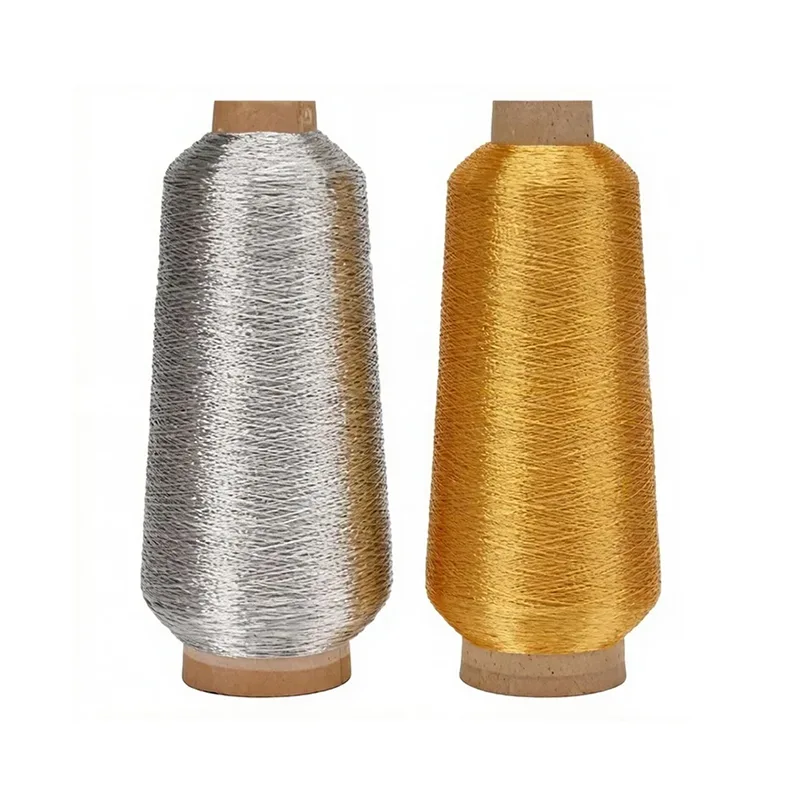
Table of Contents
How Is Metallic Yarn Manufactured?
What Are the Main Types of Metallic Yarn?
Why Is Metallic Yarn Valuable for Textile Manufacturing?
Where Can Metallic Yarn Be Used?
How Should Buyers Choose Metallic Yarn?
What Quality Factors Affect Metallic Yarn Performance?
Frequently Asked Questions About Metallic Yarn
Conclusion: Find the Right Metallic Yarn Solution
What Is Metallic Yarn?
Metallic yarn is a specialized textile material designed to introduce reflective shine, decorative texture, and distinctive color effects into fabrics and finished products. It is commonly produced using metallized polyester film, which may be slit into narrow filaments and combined with supporting textile fibers to create different yarn structures.
Unlike conventional polyester or cotton yarn, metallic yarn emphasizes visual impact while maintaining the flexibility required for suitable textile applications. Depending on its construction, it can provide a bright metallic finish, a softer luster, or a multicolored reflective effect.
According to Derusen's metallic yarn product information, available options include polyester, rayon, and nylon-based constructions, with basic gold and silver colors alongside customized shades and special finishes.
Common characteristics of metallic yarn include:
- Reflective appearance: Creates eye-catching gold, silver, rainbow, and other decorative effects.
- Versatile construction: Supports different combinations of metallized film and textile fibers.
- Broad design potential: Suitable for embroidery, weaving, knitting, ribbons, and decorative accessories.
- Multiple color choices: Allows designers to coordinate yarn appearance with different product styles.
For textile manufacturers, the right metallic yarn can help differentiate finished products without requiring complicated decorative structures.
How Is Metallic Yarn Manufactured?
Metallic yarn production involves several processing stages that influence appearance, consistency, and suitability for downstream textile manufacturing. Although the exact process varies by yarn type, metallized film preparation and controlled yarn formation are central to many metallic yarn products.
- Film preparation: Polyester film is selected and prepared for the required metallic finish.
- Metallization: A reflective layer is applied to the film to create its characteristic metallic appearance.
- Protective treatment: Depending on the product design, a protective coating may be used to support surface integrity.
- Slitting: The metallized film is cut into narrow strips according to the required specification.
- Yarn formation: The metallic material is used directly or combined with polyester, rayon, or nylon fibers through wrapping or twisting.
- Inspection and packaging: Finished yarn is checked for relevant quality characteristics and packed in spools or cones suitable for handling and distribution.
Derusen describes a production supply chain that includes coloring polyester films, cutting them into filaments, and processing them into different metallic yarn constructions. Its product range supports different requirements for embroidery, knitting, weaving, and decorative textile manufacturing.
Consistent slit width, stable wrapping, suitable tension, and uniform color are important considerations because they can influence yarn handling and the appearance of the final fabric.
What Are the Main Types of Metallic Yarn?
Metallic yarn is available in different structures to meet specific production needs. The most appropriate option depends on the desired luster, softness, tensile behavior, machine compatibility, and finished-product design.
| Yarn Type | Construction or Characteristic | Typical Applications |
|---|---|---|
| M Type | Slit metallized PET film with a reflective surface and protective coating | Garment decoration, ribbons, labels, crafts, and specialty woven products |
| MX Type | Metallic film twisted with nylon yarn, using opposing wrapping directions | Knitwear, sweaters, tricot fabrics, jacquard fabrics, and embroidery |
| MH Type | Metallic yarn combined with nylon, polyester, or rayon support yarn | Scarves, socks, sweaters, knitted fabrics, and fashion textiles |
| MHS Type | Partially wrapped metallic yarn construction | Embroidery and woven fabrics |
| ST Type | Textile yarn completely wrapped with metallic yarn | Machine embroidery, hand embroidery, woven fabrics, and tapes |
The product specifications published by Derusen also identify metallic yarn widths such as 1/110 inch, 1/100 inch, and 1/69 inch for relevant constructions. Actual dimensions and availability should be confirmed against the selected product specification before ordering.
Buyers should avoid choosing a yarn based solely on its shine. A metallic yarn suitable for embroidery may not deliver the same handling characteristics as one developed for knitting or woven fabric production.
Why Is Metallic Yarn Valuable for Textile Manufacturing?
Metallic yarn offers several advantages for manufacturers seeking to improve product appearance and expand their design options.
1. Creates a Premium Visual Effect
Metallic yarn introduces reflective highlights that can make fabrics appear more distinctive. Gold and silver finishes are frequently used in formalwear, festive garments, decorative textiles, and accessories. Rainbow and multicolor variations offer additional options for contemporary fashion and creative products.
2. Supports Diverse Manufacturing Processes
Depending on its construction, metallic yarn can be incorporated into embroidery, weaving, knitting, ribbons, and other textile processes. This versatility allows manufacturers to use decorative effects across multiple product categories.
3. Enables More Flexible Product Design
Metallic yarn is available in different constructions, thicknesses, and colors. Designers can adjust its placement and proportion to create subtle accents, elaborate patterns, or more prominent reflective surfaces.
4. Helps Differentiate Finished Products
In competitive textile markets, appearance is often an important purchasing consideration. Metallic details can help garments, accessories, gifts, and home textiles establish a recognizable visual identity.
However, these benefits depend on appropriate yarn selection and processing. Excessive tension, unsuitable machine settings, or incompatible yarn structures can cause breakage, surface damage, or uneven decorative effects.
Where Can Metallic Yarn Be Used?
The combination of decorative shine and adaptable construction makes metallic yarn useful across a broad range of textile and craft applications.
- Fashion apparel: Adds reflective details to dresses, sweaters, scarves, jackets, and occasionwear.
- Computer embroidery: Creates decorative logos, lettering, motifs, and ornamental stitching.
- Hand embroidery: Supports creative stitching, traditional embroidery, and craft projects.
- Knitted and woven fabrics: Introduces metallic accents into fabric structures and patterned textiles.
- Ribbons and garment accessories: Enhances decorative tapes, lace, labels, and trims.
- Home decoration: Can be incorporated into selected decorative fabrics, tablecloths, and textile accessories.
- Gift packaging and crafts: Provides a reflective finish for embellishments and creative decorative products.
For example, a fashion manufacturer may select gold metallic yarn for embroidered garment details, while a knitting mill may prefer a compatible wrapped construction for sweaters or scarves. Embroidery workshops may prioritize smooth feeding and stable stitching, whereas woven-fabric producers may focus on tension control and compatibility with their equipment.
For more textile material options, buyers can also explore Derusen's yarn and fiber products to compare complementary materials for different manufacturing requirements.
How Should Buyers Choose Metallic Yarn?
Selecting the right metallic yarn requires more than comparing prices or choosing a preferred color. Buyers should evaluate the intended application, machine requirements, finished appearance, and supply specifications before placing a bulk order.
| Selection Factor | What to Check | Why It Matters |
|---|---|---|
| Application | Embroidery, knitting, weaving, or decorative use | Determines the appropriate yarn structure |
| Composition | Polyester, rayon, nylon, and metallic film combination | Affects handling and compatibility with other fibers |
| Specification | Width, thickness, yarn count, and construction | Influences appearance and machine performance |
| Color and finish | Gold, silver, rainbow, fluorescent, matte, or custom shades | Supports design consistency and brand requirements |
| Packaging | Spool or cone weight and winding format | Helps match production equipment and material handling |
| Quality documentation | Relevant test results and certification scope | Supports purchasing decisions and compliance verification |
Before confirming a supplier, buyers should consider the following practical steps:
- Define the end use and the required visual effect.
- Confirm the yarn construction, dimensions, and color options.
- Request samples to evaluate appearance, feeding, and processing performance.
- Run a production trial using the intended machine and operating settings.
- Confirm packaging, order quantity, lead time, and batch consistency expectations.
- Request relevant quality documents when the product will be used in a regulated or specification-sensitive application.
Sample testing is particularly valuable for large-volume orders. A yarn that looks attractive in a sample book should also perform reliably under the buyer's actual processing conditions.
What Quality Factors Affect Metallic Yarn Performance?
Metallic yarn quality influences both manufacturing efficiency and the appearance of finished textiles. Buyers should assess several characteristics rather than relying on visual inspection alone.
Color Uniformity
Consistent color and reflectivity help prevent visible differences between yarn packages, fabric panels, or production batches. Buyers with strict color requirements should confirm approved samples and specify acceptable variations.
Surface Integrity
Scratches, peeling, or damage to the metallic surface can reduce visual quality. Appropriate storage, careful transportation, and compatible processing conditions help protect the yarn.
Tensile Strength and Handling
Yarn strength, flexibility, and wrapping structure affect its ability to withstand feeding, stitching, knitting, or weaving. The suitable performance level depends on the application and machine setup.
Machine Compatibility
Metallic yarn may require adjustments to machine speed, tension, needle selection, or feeding arrangements. Conducting trials before mass production helps identify potential problems early.
Certification and Documentation
Derusen lists OEKO-TEX certification for several metallic yarn types, including M, MX, MH, MHS, and ST. Buyers should request current documentation and verify its scope, validity, and relevance to the exact product being purchased rather than assuming every construction or color is covered.
Effective supplier evaluation combines product specifications, sample testing, documentation, and clear communication about manufacturing requirements. These measures help buyers make informed decisions and reduce avoidable production risks.
Frequently Asked Questions About Metallic Yarn
1. What is metallic yarn made of?
Metallic yarn is commonly made from metallized polyester film, which may be slit into narrow strips and used directly or combined with polyester, nylon, or rayon fibers. The exact composition depends on the yarn type and intended application.
2. What colors are available for metallic yarn?
Gold and silver are common basic colors. Depending on the product and customization options, buyers may also request brown, blue, green, pink, purple, red, black, rainbow, pearl, multicolor, fluorescent, transparent, or matte finishes.
3. Can metallic yarn be used for machine embroidery?
Yes. Suitable metallic yarn constructions are used for computer and machine embroidery. Buyers should confirm compatibility with their embroidery equipment and test thread tension, feeding, and stitch quality before full production.
4. Is metallic yarn suitable for knitting and weaving?
Yes. Selected metallic yarn types are designed for knitwear, sweaters, tricot fabrics, jacquard fabrics, and woven textiles. The appropriate construction depends on the desired appearance and processing conditions.
5. What packaging options are available?
Derusen lists multiple packaging formats, including 100 g, 150 g, and 300 g spools for certain products, as well as 250 g and 500 g cones for selected constructions. Available packaging should be confirmed for the specific yarn type and order.
6. Can buyers request customized metallic yarn colors?
Yes. Customized colors and special finishes are available for selected products. Buyers should provide color references, application details, and expected quantities so the supplier can confirm feasibility and requirements.
7. How can buyers evaluate metallic yarn quality before bulk purchasing?
Request representative samples, verify technical specifications, test the yarn under actual production conditions, and review relevant quality documentation. These steps help determine whether the material meets the intended application's appearance and processing requirements.
Conclusion: Find the Right Metallic Yarn Solution
Metallic yarn provides textile manufacturers and designers with an effective way to introduce reflective finishes, decorative texture, and distinctive visual appeal into garments, embroidery, knitted fabrics, woven materials, and accessories. Selecting the appropriate construction, color, specification, and packaging is essential for achieving consistent results and efficient production.
With multiple metallic yarn series, different fiber combinations, and customization options, Ningbo Derusen Trading Co., Ltd. supports buyers looking for materials suited to varied textile applications. Whether you are developing fashion fabrics, embroidery products, decorative ribbons, or craft accessories, evaluating samples and confirming specifications can help you identify a suitable solution for your project.
Ready to source metallic yarn for your next textile collection or manufacturing order? Visit the Derusen Metallic Yarn product page to review available options and discuss your requirements. Contact us today to request samples, confirm specifications, explore customized colors, and obtain a quotation tailored to your application and purchasing needs.
Previous:No News
Send Inquiry
-
E-mail