

How Does Artificial Leather Become a Reliable Material Choice for Modern Applications?
Article Summary
Artificial leather has become an important alternative material in industries such as automotive interiors, furniture, fashion accessories, footwear, and consumer products. With improvements in manufacturing technology, modern artificial leather provides excellent appearance, durability, flexibility, and cost efficiency while meeting the changing requirements of designers, manufacturers, and end users.
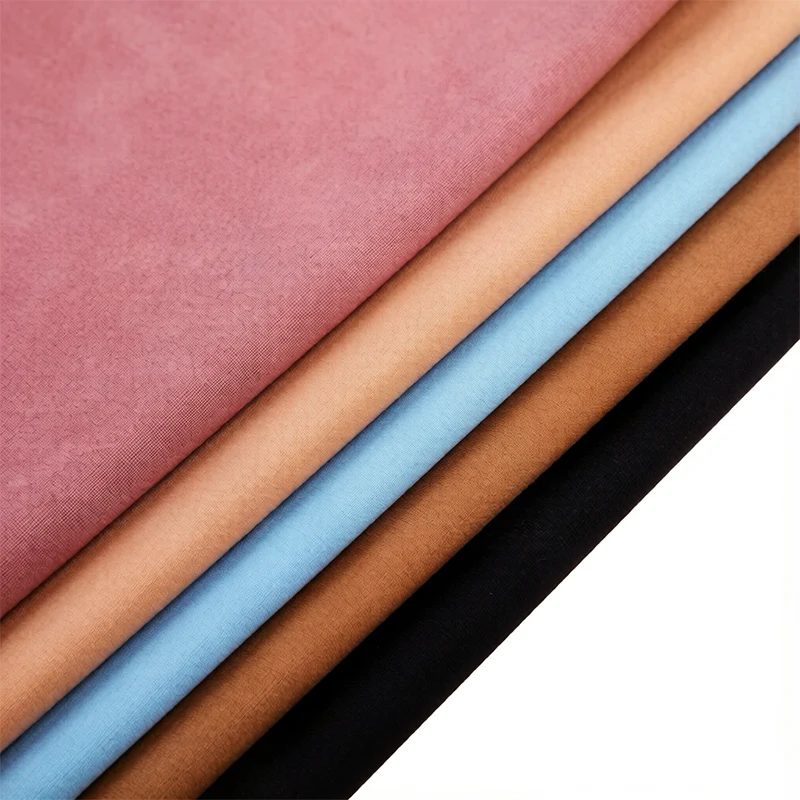
This article explains how artificial leather is produced, why businesses choose it over traditional materials, what challenges buyers often face when selecting artificial leather suppliers, and how professional manufacturers such as Ningbo Derusen Trading Co., Ltd. help customers achieve reliable material solutions for different applications.
Table of Contents
- 1. What Is Artificial Leather and Why Is It Widely Used?
- 2. How Is Artificial Leather Manufactured?
- 3. What Advantages Make Artificial Leather Popular?
- 4. How Can Businesses Choose the Right Artificial Leather?
- 5. Where Is Artificial Leather Commonly Applied?
- 6. How Does Quality Control Improve Artificial Leather Performance?
- 7. Frequently Asked Questions About Artificial Leather
What Is Artificial Leather and Why Is It Widely Used?
Artificial leather is a synthetic material designed to replicate the appearance and texture of natural leather. Unlike genuine leather, which is produced from animal hides, artificial leather is manufactured by combining textile bases with synthetic coatings such as polyurethane (PU) or polyvinyl chloride (PVC).
The growing demand for artificial leather comes from the need for materials that balance aesthetics, performance, sustainability considerations, and production efficiency. Many industries require materials that provide a premium visual effect while maintaining consistent quality across large-scale production.
For manufacturers, one of the biggest challenges with traditional leather is inconsistency. Natural leather may have variations in texture, thickness, and surface patterns because every hide is different. Artificial leather solves this problem by offering controlled production processes and uniform characteristics.
Companies searching for dependable synthetic leather solutions often focus on factors such as durability, surface finish, color stability, environmental requirements, and customization capability. Ningbo Derusen Trading Co., Ltd. provides artificial leather solutions designed to meet different industry demands with reliable material performance.
How Is Artificial Leather Manufactured?
Understanding the production process helps buyers evaluate material quality and select suitable products for their applications. Although manufacturing methods may vary depending on the material type, artificial leather production generally includes several important stages.
| Production Stage | Main Process | Purpose |
|---|---|---|
| Base Fabric Preparation | Selecting and processing textile or fiber backing materials | Provides structural strength and flexibility |
| Coating Application | Applying PU or PVC layers onto the base material | Creates leather-like appearance and protection |
| Surface Treatment | Embossing, printing, or finishing processes | Improves texture, color, and visual quality |
| Performance Testing | Checking durability, resistance, and appearance | Ensures product reliability before delivery |
The first step is preparing the backing layer. This foundation determines the flexibility, strength, and overall feel of the finished material. Different applications require different backing structures. For example, automotive interiors may require stronger materials, while fashion products may prioritize softness and flexibility.
The next stage involves applying synthetic coatings. PU artificial leather is widely recognized for its soft touch and realistic appearance, while PVC artificial leather is often selected for applications requiring strong durability and easier maintenance.
After coating, manufacturers can create different surface designs through embossing technology. This process allows artificial leather to imitate various natural leather patterns while also enabling customized textures according to customer requirements.
Advanced production management and strict inspection procedures are essential because even small differences in coating thickness or surface treatment can affect final performance. Professional suppliers such as Ningbo Derusen Trading Co., Ltd. focus on maintaining consistent quality throughout the manufacturing process.
What Advantages Make Artificial Leather Popular?
Artificial leather has gained popularity because it provides practical benefits for manufacturers and consumers. The following advantages explain why this material is widely adopted across different markets.
- Consistent Appearance: Artificial leather provides uniform colors, textures, and patterns, making it suitable for large production projects.
- Cost Efficiency: Compared with many natural leather options, artificial leather offers a more economical solution without sacrificing attractive appearance.
- Easy Maintenance: Many artificial leather products are resistant to stains and easier to clean.
- Design Flexibility: Manufacturers can customize textures, colors, thicknesses, and finishes for different applications.
- Strong Durability: Properly manufactured artificial leather can withstand daily wear, friction, and environmental exposure.
For businesses, material selection is not only about appearance. It also affects production efficiency, product lifespan, and customer satisfaction. Choosing suitable artificial leather can help companies reduce replacement costs and improve product competitiveness.
How Can Businesses Choose the Right Artificial Leather?
Selecting artificial leather requires careful evaluation because different industries have different performance expectations. A material suitable for furniture may not always be ideal for automotive applications or fashion products.
| Application | Important Material Requirements |
|---|---|
| Automotive Interior | Wear resistance, temperature resistance, easy cleaning |
| Furniture Upholstery | Soft touch, durability, decorative appearance |
| Fashion Products | Flexibility, attractive texture, color variety |
| Footwear | Strength, abrasion resistance, lightweight structure |
Before purchasing artificial leather, buyers should consider several key questions:
- What environment will the material be used in?
- How much mechanical stress will the product experience?
- Is the surface appearance important for branding?
- Are customized colors or patterns required?
- Does the supplier provide stable quality and technical support?
Working with an experienced supplier reduces risks related to inconsistent quality, delayed delivery, and unsuitable material selection. Ningbo Derusen Trading Co., Ltd. supports customers by offering professional artificial leather options suitable for various industrial and commercial applications.
Where Is Artificial Leather Commonly Applied?
Artificial leather has developed from a simple substitute material into a widely used industrial material with applications across multiple industries. Its combination of attractive appearance, durability, flexibility, and customization possibilities makes it suitable for products that require both practical performance and modern design.
Different industries select artificial leather based on specific requirements. Some applications need strong resistance against abrasion and frequent use, while others focus more on softness, appearance, and visual appeal.
| Industry | Common Products | Why Artificial Leather Is Selected |
|---|---|---|
| Automotive Industry | Car seats, door panels, steering wheel covers, interior decoration | Provides comfort, durability, easy maintenance, and premium appearance |
| Furniture Industry | Sofas, chairs, office furniture, decorative surfaces | Offers stylish designs with practical cleaning advantages |
| Fashion Industry | Bags, wallets, belts, clothing accessories | Supports various textures, colors, and creative designs |
| Footwear Industry | Shoes, boots, sports footwear components | Provides flexibility and resistance to daily wear |
| Consumer Products | Electronic cases, packaging materials, lifestyle products | Creates a premium feel while maintaining production efficiency |
In automotive manufacturing, artificial leather is especially popular because vehicle interiors require materials that can maintain appearance after long-term use. Resistance to scratches, temperature changes, and repeated cleaning are important factors for automotive applications.
In furniture production, artificial leather provides designers with more freedom because manufacturers can create different colors, textures, and finishes. Businesses can develop products with a luxurious appearance while controlling production costs.
For fashion products, artificial leather allows brands to create consistent designs without relying on natural material variations. This helps manufacturers maintain stable product quality across large production quantities.
Ningbo Derusen Trading Co., Ltd. provides artificial leather materials that support different application requirements, helping customers select suitable solutions according to product design, performance expectations, and market needs.
How Does Quality Control Improve Artificial Leather Performance?
Quality control plays an important role in determining the reliability and service life of artificial leather. Although synthetic leather technology has improved significantly, poor-quality materials may still experience problems such as surface cracking, color fading, weak adhesion, or insufficient durability.
Professional artificial leather manufacturers focus on multiple inspection stages to ensure stable performance. These evaluations help identify potential problems before materials reach customers.
| Testing Item | Purpose | Customer Benefit |
|---|---|---|
| Thickness Inspection | Ensures material consistency | Improves production stability |
| Color Fastness Testing | Checks resistance to fading | Maintains product appearance |
| Wear Resistance Testing | Measures surface durability | Extends product service life |
| Flexibility Testing | Evaluates bending performance | Prevents cracking during use |
| Surface Adhesion Testing | Checks coating strength | Reduces quality problems |
Reliable quality management is especially important for companies purchasing artificial leather in large quantities. A small material defect can lead to production delays, increased costs, and customer complaints.
By selecting an experienced supplier, businesses can reduce these risks. Ningbo Derusen Trading Co., Ltd. focuses on providing dependable artificial leather products with attention to material consistency, application requirements, and customer expectations.
What Challenges Do Buyers Face When Purchasing Artificial Leather?
Although artificial leather offers many advantages, buyers may encounter challenges during the selection process. Understanding these issues helps companies make better purchasing decisions.
- Unstable Material Quality: Some suppliers may provide materials with inconsistent thickness, texture, or durability, affecting final product performance.
- Limited Customization Options: Different industries often require unique colors, patterns, or surface treatments. Suppliers without flexible production capabilities may not meet these needs.
- Incorrect Material Selection: Choosing a material without considering the application environment may result in premature wear or poor user experience.
- Supply Reliability Issues: Unstable delivery schedules can interrupt production planning and increase operational pressure.
To overcome these challenges, buyers should evaluate suppliers based on manufacturing capability, product range, communication efficiency, and ability to provide customized solutions.
A professional supplier does more than provide materials. The supplier should understand customer applications and recommend suitable artificial leather solutions according to actual requirements.
How Can Artificial Leather Support Future Product Development?
The demand for artificial leather continues to grow as industries search for materials that combine design flexibility, reliable performance, and efficient manufacturing. Improvements in coating technology, surface processing, and production methods continue to expand the possibilities of synthetic leather applications.
Future artificial leather development is expected to focus on improved durability, enhanced appearance, better user experience, and more environmentally considerate production methods. These improvements will allow artificial leather to serve a wider range of industries.
For manufacturers and brands, choosing the right artificial leather partner is essential for developing competitive products. A reliable supplier can help companies achieve consistent quality while adapting materials to specific market requirements.
Ningbo Derusen Trading Co., Ltd. continues to provide artificial leather solutions designed for various industries, supporting customers with professional material choices and dependable product supply.
Frequently Asked Questions About Artificial Leather
Q1: What is artificial leather made of?
Artificial leather is typically made from a textile base combined with synthetic coatings such as polyurethane (PU) or polyvinyl chloride (PVC). These layers create a material that looks and feels similar to natural leather.
Q2: Is artificial leather durable?
Yes. High-quality artificial leather can provide excellent durability, resistance to wear, and long service life when selected according to the correct application requirements.
Q3: What is the difference between PU artificial leather and PVC artificial leather?
PU artificial leather generally offers a softer feel and more natural appearance, making it popular for premium applications. PVC artificial leather is often chosen for applications requiring strong durability and easy maintenance.
Q4: Can artificial leather be customized?
Yes. Manufacturers can customize artificial leather in terms of color, texture, thickness, surface pattern, and other characteristics according to customer requirements.
Q5: How should artificial leather products be maintained?
Regular cleaning with suitable methods helps maintain appearance and extends service life. Users should avoid harsh chemicals or excessive exposure to damaging conditions.
Q6: Why should businesses work with professional artificial leather suppliers?
Professional suppliers provide better material consistency, technical support, customization options, and reliable delivery, helping customers reduce production risks.
Conclusion
Artificial leather has become an important material solution for modern industries because it combines attractive design, practical performance, and production flexibility. From automotive interiors and furniture to fashion products and consumer goods, artificial leather helps manufacturers create products that meet changing market expectations.
Selecting the right material and supplier is essential for achieving long-lasting product quality. Ningbo Derusen Trading Co., Ltd. provides artificial leather solutions designed to meet different application requirements with reliable performance and professional service.
If you are looking for high-quality artificial leather materials, customized solutions, and professional support for your business projects, please contact us today. Ningbo Derusen Trading Co., Ltd. is ready to provide suitable artificial leather options and help you develop products with better performance and market competitiveness.
Send Inquiry
-
E-mail