

How Does Embroidery Thread Improve the Quality and Durability of Embroidery Projects?
Article Summary
Embroidery thread is one of the most important elements that determines the appearance, strength, and long-term performance of embroidered products. Whether used for fashion garments, home textiles, promotional products, or industrial applications, choosing the right embroidery thread can directly affect stitch quality, color retention, and production efficiency. This article explains how embroidery thread works, how to select the right type, what problems manufacturers often face, and how DERUSEN provides reliable thread solutions for different embroidery requirements.
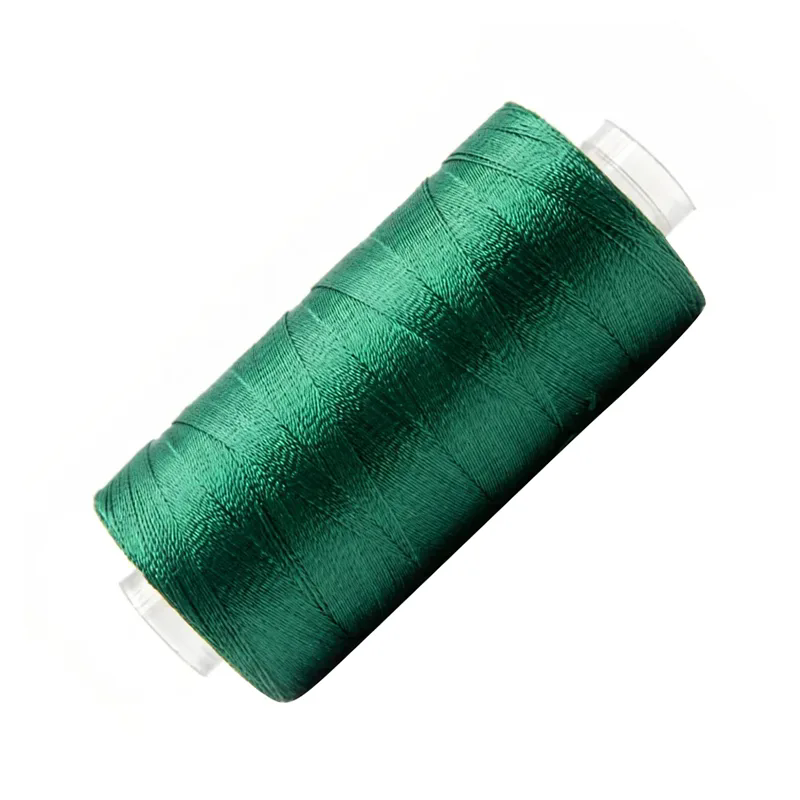
Table of Contents
- How Does Embroidery Thread Influence Embroidery Quality?
- What Types of Embroidery Thread Are Available?
- How to Choose the Right Embroidery Thread for Different Applications?
- What Common Problems Can Embroidery Thread Solve?
- How Does DERUSEN Provide Professional Embroidery Thread Solutions?
- How to Maintain Embroidery Thread Performance During Production?
- Frequently Asked Questions About Embroidery Thread
How Does Embroidery Thread Influence Embroidery Quality?
Embroidery is not only a decorative process but also a combination of precision, material technology, and craftsmanship. The embroidery thread directly affects the final visual effect and durability of embroidered designs. A high-quality thread allows embroidery machines to create smooth patterns, clear details, and consistent stitching results.
Many manufacturers experience problems such as thread breakage, uneven stitches, fading colors, and poor fabric compatibility. In most cases, these issues are related to unsuitable thread selection rather than machine performance alone. The correct embroidery thread should have excellent tensile strength, stable twisting structure, smooth surface, and reliable color performance.
Modern embroidery production requires threads that can handle high-speed machine operation while maintaining excellent appearance. Professional embroidery threads are designed to reduce friction during stitching, improve production efficiency, and minimize downtime caused by thread replacement or machine adjustment.
| Thread Feature | Impact on Embroidery |
|---|---|
| High tensile strength | Reduces thread breakage and improves production stability |
| Excellent color fastness | Maintains bright colors after washing and long-term use |
| Smooth surface | Creates clean stitches and reduces machine friction |
| Consistent thickness | Ensures uniform embroidery patterns |
What Types of Embroidery Thread Are Available?
Different embroidery projects require different thread characteristics. Selecting the proper thread type helps manufacturers achieve better results while reducing unnecessary production costs.
Common embroidery thread materials include polyester, rayon, cotton, and specialty fibers. Each material has unique advantages depending on the intended application.
| Embroidery Thread Type | Main Characteristics | Typical Applications |
|---|---|---|
| Polyester Embroidery Thread | Strong, durable, resistant to washing and abrasion | Sportswear, uniforms, industrial embroidery, daily clothing |
| Rayon Embroidery Thread | Soft texture with a bright and elegant appearance | Fashion garments, decorative embroidery, luxury designs |
| Cotton Embroidery Thread | Natural feeling and traditional appearance | Hand embroidery, crafts, premium textile products |
| Specialty Embroidery Thread | Unique visual effects such as metallic or reflective finishes | Creative designs, logos, artistic embroidery |
When choosing embroidery thread, manufacturers should consider fabric type, embroidery density, machine speed, washing requirements, and final product usage. A thread that works well for lightweight fabrics may not perform effectively on heavy materials.
How to Choose the Right Embroidery Thread for Different Applications?
Selecting embroidery thread requires a complete understanding of the production environment and product requirements. The wrong choice may lead to production interruptions, increased material waste, and customer dissatisfaction.
The following factors should be evaluated before purchasing embroidery thread:
- Fabric Compatibility: Different fabrics require different thread strengths and flexibility. Delicate fabrics may need softer threads, while heavy fabrics require stronger options.
- Color Requirements: Products exposed to sunlight or frequent washing need embroidery thread with excellent color stability.
- Machine Performance: High-speed embroidery machines require threads with smooth running characteristics and low breakage rates.
- Design Complexity: Detailed patterns and small lettering require threads that provide precise stitch formation.
- End-Use Environment: Industrial products need stronger durability compared with decorative items.
| Application | Recommended Thread Characteristics |
|---|---|
| Fashion Clothing | Smooth finish, attractive colors, excellent appearance |
| Sportswear | High strength, sweat resistance, repeated washing durability |
| Logo Embroidery | Precise stitching and stable color performance |
| Home Textile Products | Soft texture and long-lasting durability |
| Industrial Textile Applications | High tensile strength and reliable performance |
What Common Problems Can Embroidery Thread Solve?
Professional embroidery thread helps solve many challenges faced by textile manufacturers and embroidery service providers.
Reducing Thread Breakage
Frequent thread breaks interrupt production and increase labor costs. High-quality embroidery thread uses optimized fiber structures and stable manufacturing processes to improve strength and reduce unexpected breaks.
Improving Stitch Appearance
Uneven stitches or rough surfaces can reduce product value. Premium embroidery thread provides smoother feeding performance, helping machines create cleaner and more attractive patterns.
Maintaining Long-Term Color Quality
Embroidery products often require long-lasting appearance. Threads with strong color retention help prevent fading caused by washing, sunlight, or daily usage.
Supporting High-Efficiency Manufacturing
Large-scale embroidery production requires materials that can operate continuously. Reliable embroidery thread reduces machine stops and improves overall productivity.
How Does DERUSEN Provide Professional Embroidery Thread Solutions?
DERUSEN focuses on providing dependable textile solutions designed to meet different embroidery requirements. With attention to material selection, production consistency, and application performance, DERUSEN embroidery thread helps customers achieve stable embroidery results across various industries.
A professional embroidery thread supplier should not only provide products but also understand customer production challenges. Factors such as embroidery speed, fabric characteristics, color requirements, and application environment all influence the final thread selection.
DERUSEN works to support customers with embroidery thread solutions that balance appearance, durability, and production efficiency. Whether customers require threads for clothing decoration, branding, industrial textiles, or customized embroidery projects, selecting the right thread specification is essential for achieving reliable results.
- Stable thread quality for consistent embroidery performance
- Suitable solutions for different fabrics and applications
- Reliable color performance for long-lasting designs
- Professional support for customized requirements
How to Maintain Embroidery Thread Performance During Production?
Proper storage and handling are important for maintaining embroidery thread quality. Even high-quality thread may experience performance issues if stored incorrectly.
- Keep embroidery thread in a dry environment away from excessive humidity.
- Avoid direct sunlight exposure to protect color stability.
- Store thread properly to prevent dust contamination.
- Use suitable needles and machine settings for different thread types.
- Check thread condition before large-scale production.
Good production practices combined with reliable embroidery thread selection can significantly improve efficiency and final product quality.
Frequently Asked Questions About Embroidery Thread
What is the most commonly used embroidery thread?
Polyester embroidery thread is widely used because it provides excellent strength, durability, and resistance to washing. It is suitable for many commercial embroidery applications.
How can I prevent embroidery thread from breaking?
Thread breakage can be reduced by choosing the correct thread type, using suitable needles, adjusting machine tension properly, and maintaining embroidery equipment regularly.
Is embroidery thread suitable for industrial production?
Yes. Professional embroidery thread is designed for high-speed embroidery machines and can support large-volume production with stable performance.
How do I choose embroidery thread colors?
Color selection depends on design requirements, fabric color, brand identity, and whether the finished product needs long-term color retention.
Why should manufacturers choose DERUSEN embroidery thread?
DERUSEN provides embroidery thread solutions focused on quality consistency, application flexibility, and customer requirements, helping businesses achieve reliable embroidery results.
Conclusion
Embroidery thread plays a critical role in determining embroidery quality, production efficiency, and product durability. From selecting the right material to ensuring stable performance during high-speed operation, every detail influences the final result.
By choosing suitable embroidery thread solutions from DERUSEN, manufacturers can improve embroidery performance, reduce production issues, and create products with better appearance and durability. For professional embroidery thread solutions tailored to your requirements, please contact us today and let DERUSEN help you achieve higher-quality embroidery production.
Send Inquiry
-
E-mail