
Water Soluble Sewing Thread
Ningbo Derusen Trading Co.,Ltd. is a professional manufacturer and exporter of water soluble sewing thread in China. Water soluble yarn is a functional yarn made of water soluble fibers. Its main characteristic lies in its ability to dissolve when exposed to water, leaving no trace after dissolution, thus achieving the processing purposes of temporary fixation or support, and being removed in the subsequent processes.
Send Inquiry
Product Description
Water Soluble Sewing Thread for Temporary Stitching and Textile Processing
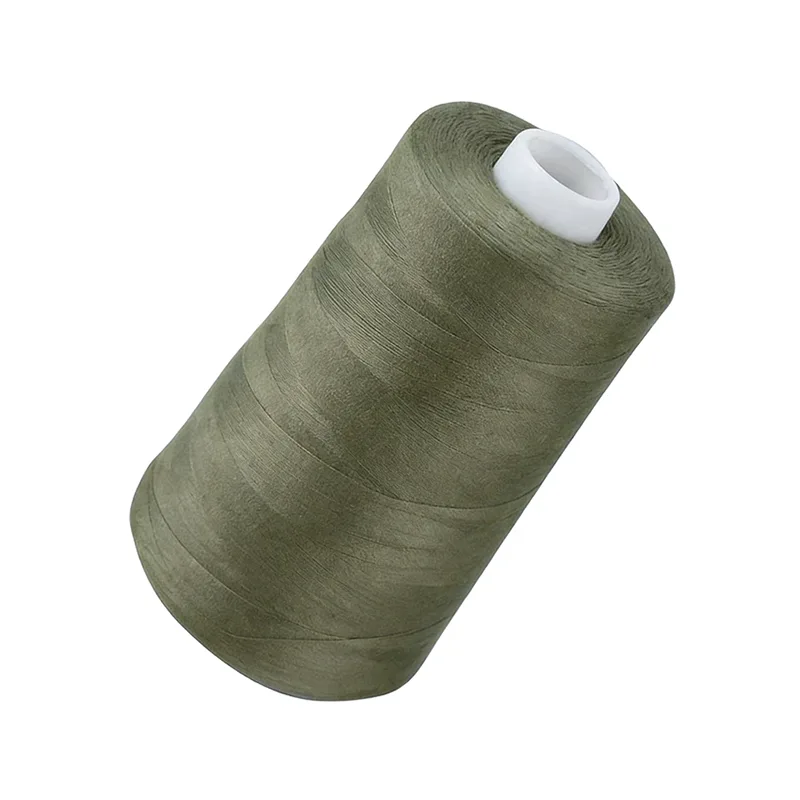
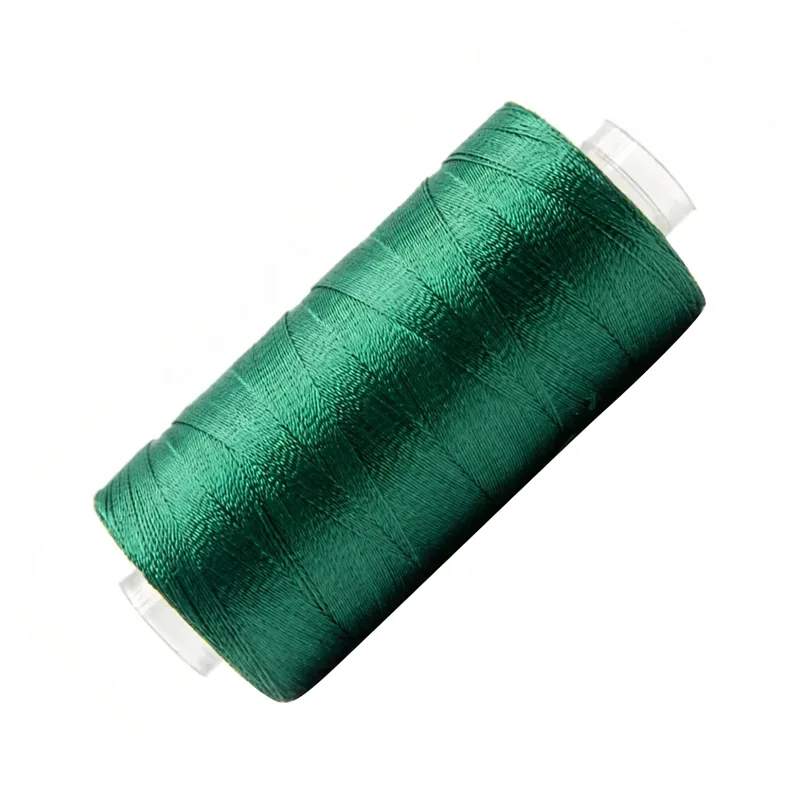
Water Soluble Sewing Thread is a specialised sewing material designed for temporary stitching, positioning and textile processing. Made from water-soluble fibre materials such as polyvinyl alcohol (PVA), it can dissolve when exposed to water under the temperature and treatment conditions specified for the selected grade.
Unlike conventional sewing thread that remains in the finished product, this temporary thread can be removed through a suitable water treatment process. It is used in embroidery, garment assembly, fabric manufacturing and other applications where temporary stitches need to be removed without manually unpicking each seam.
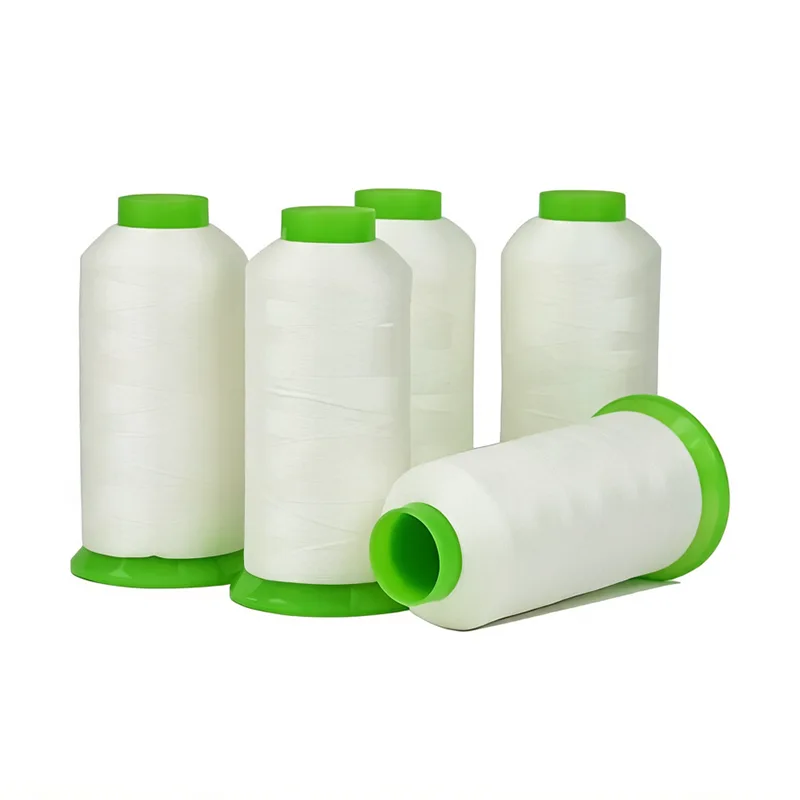
20°C Available Dissolution Grade
40°C Available Warm-Water Grade
T-27 Listed Thread Size
40/2 Listed Cotton Count
How Water Soluble Sewing Thread Works
The working principle of Water Soluble Sewing Thread is based on the water-soluble properties of its fibre material. During sewing or fabric processing, the thread provides temporary holding strength to keep fabric layers, embroidery backing or garment components in position. Once the relevant production step is completed, the material can be exposed to water under suitable conditions to dissolve the temporary stitches.
Dissolution behaviour depends on the fibre formulation, thread construction, water temperature, treatment time and water conditions. A grade intended for normal-temperature water may behave differently from one designed for warm-water treatment. Manufacturers should confirm the required grade through a sample test before using it in production.
01
Controlled Water Solubility
Different grades can be selected for different water-treatment temperatures. The actual dissolution point and time should be confirmed against the product specification.
02
Temporary Sewing Strength
The thread provides temporary holding support during sewing, embroidery positioning and fabric processing before the removal stage.
03
Convenient Thread Removal
Water treatment can remove temporary stitches without the need to manually unpick every individual seam, helping simplify selected production operations.
Material and Dissolution Characteristics
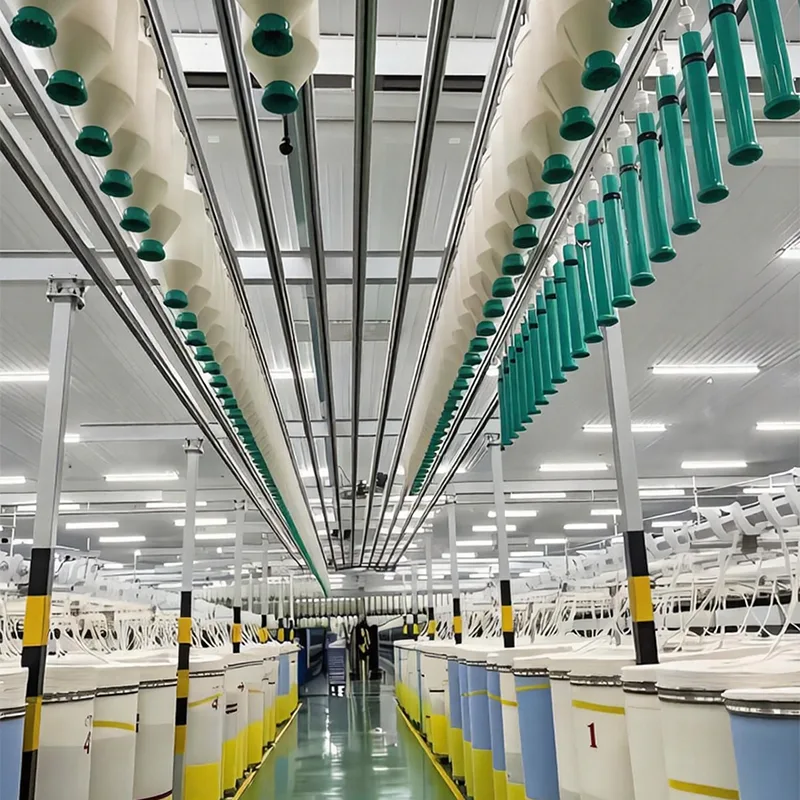
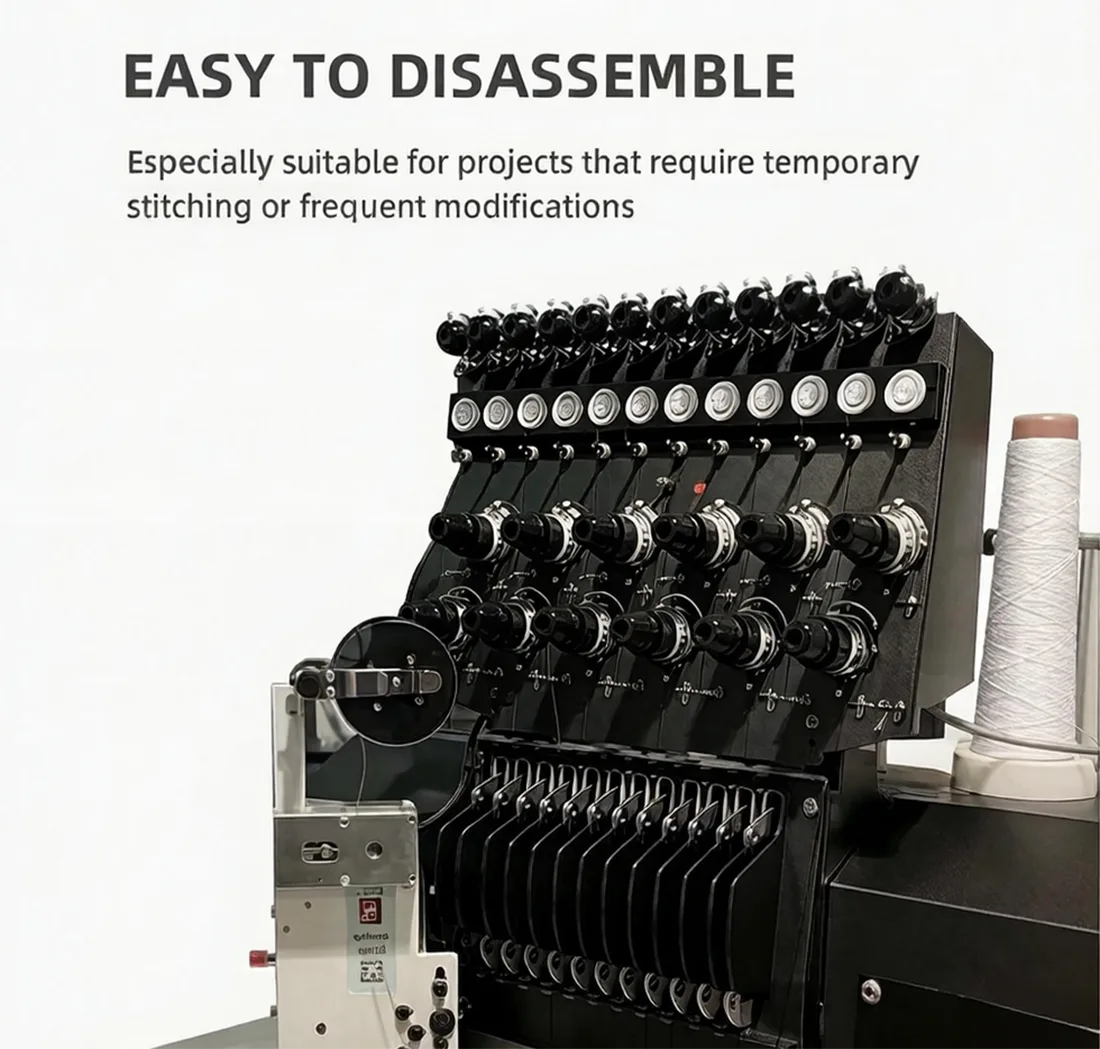
Water Soluble Sewing Thread is commonly produced from PVA-based or other water-soluble fibre materials. Its performance is determined by the material composition and manufacturing process, so different grades may have different strength, handling and dissolution characteristics.
Important Points About Water Solubility
- Some grades are designed to dissolve in normal-temperature water, while others require warmer water.
- Water temperature, treatment duration and water circulation can affect the removal process.
- Thread strength and sewing performance should be suitable for the intended temporary application.
- Water solubility alone does not establish that a material is biodegradable, non-toxic or suitable for every wastewater system. Environmental and chemical compliance should be confirmed through the relevant product documentation.
Applications in Embroidery, Garment Sewing and Fabric Production
Water Soluble Sewing Thread is used in textile processes where temporary seams, positioning stitches or auxiliary threads need to be removed after a specific production stage. Its applications cover several areas of garment manufacturing and fabric development.
Embroidery Work
Used for temporary positioning, embroidery support and selected underlay applications.
Garment Assembly
Suitable for temporary basting and holding fabric components during garment production.
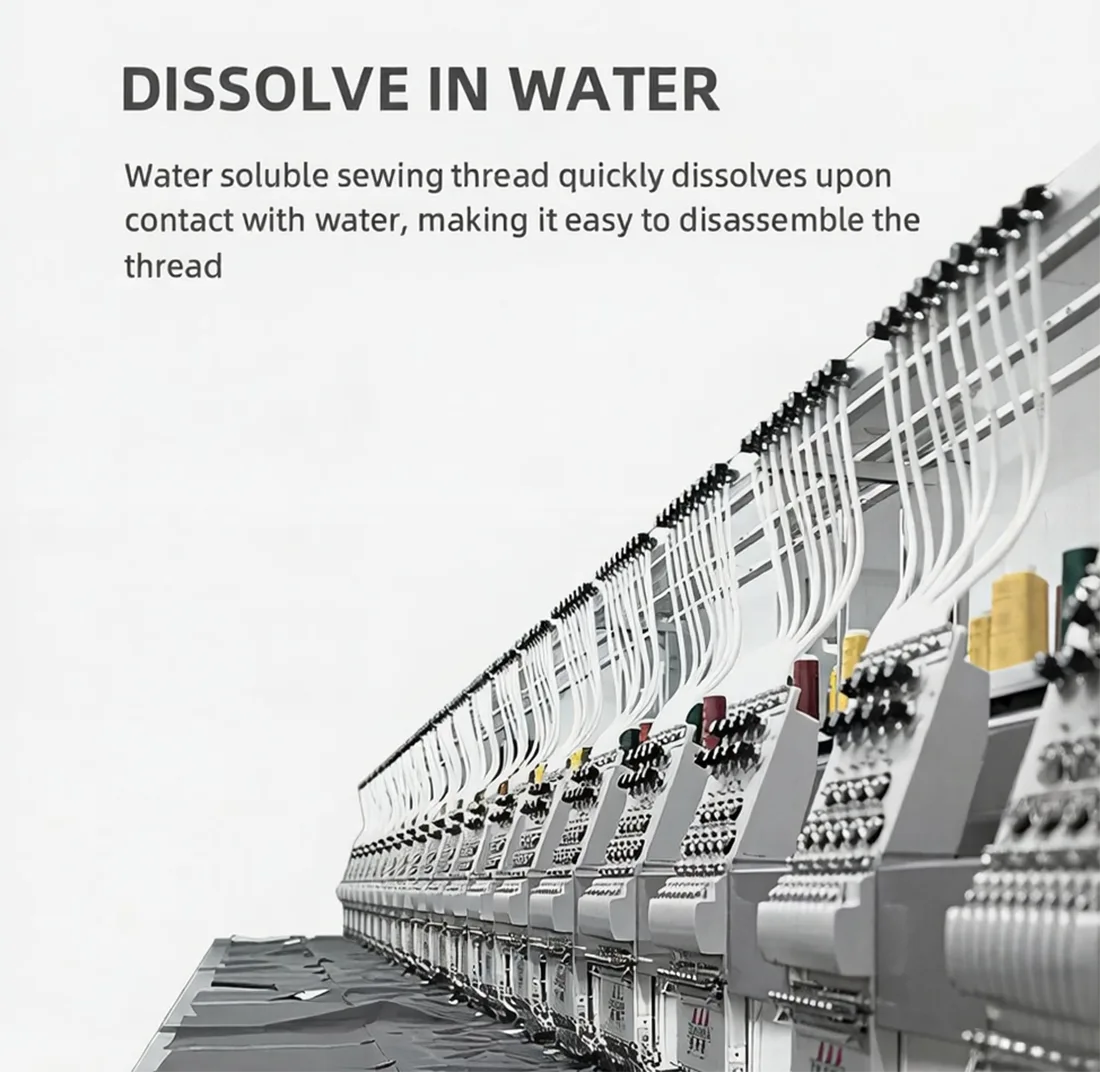
Fabric Processing
Used as an auxiliary material in selected weaving, knitting and fabric development processes.
Special Textile Uses
Can support selected temporary stitching and assembly operations for specialised textile products.
Embroidery and Clothing Production
In embroidery, the thread can be used for temporary positioning stitches or support layers. After the embroidery process, a suitable water treatment can dissolve the temporary thread and help separate the workpiece from its temporary support. In garment production, it can hold pleats, cuffs, pockets and other fabric sections in position before the final sewing or washing stage.
High-Grade Fabric and Auxiliary Processing
Water-soluble fibres may also be used as auxiliary materials in selected textile manufacturing processes. When incorporated into a fabric structure, the soluble component can be removed through a controlled water-treatment stage to create particular fabric effects, textures or structures. The suitability of the thread or fibre depends on the specific production method and fabric composition.
Industrial and Specialised Applications
Other potential uses include temporary assembly of layered textile materials, selected seamless garment processes and specialised textile components. For applications such as fishing rigs or toy manufacturing, the material grade and end-use requirements should be evaluated separately before production.
Product Specifications and Available Size
Water Soluble Sewing Thread is available in different grades and thread constructions. Selection should be based on the required dissolution temperature, sewing machine compatibility, temporary seam strength and the processing conditions of the finished textile product.
Choosing the Correct Grade
The water temperature shown for a grade indicates its intended dissolution condition. It should not be treated as a universal guarantee of complete dissolution without considering treatment time, water conditions and the actual fabric assembly.
Before bulk production, test the thread with the intended fabric, stitch density and washing or rinsing process.
| Specification | Available Information |
|---|---|
| Product | Water Soluble Sewing Thread |
| Thread Material | PVA-based or other specified water-soluble fibre material |
| Tex Size | T-27 |
| Ticket Number | 120 |
| Cotton Count | 40/2 |
| Water Temperature | 20°C and 40°C grades listed |
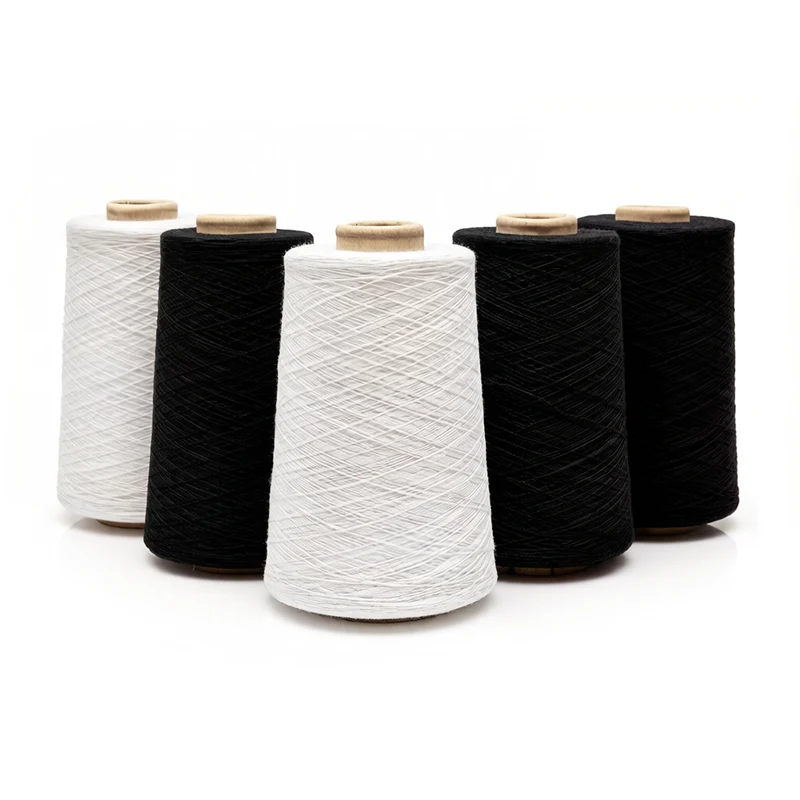
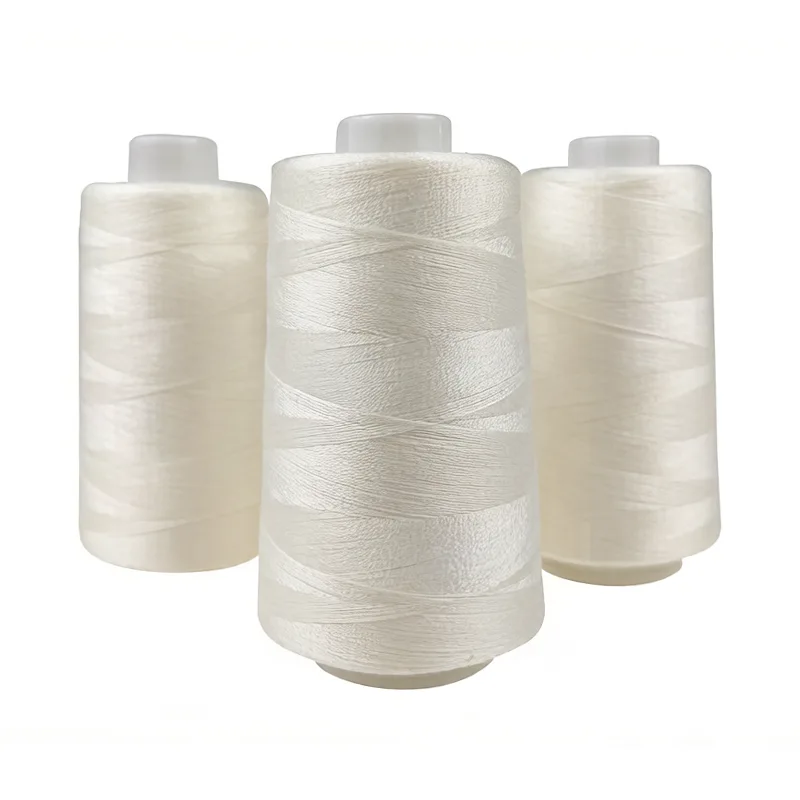
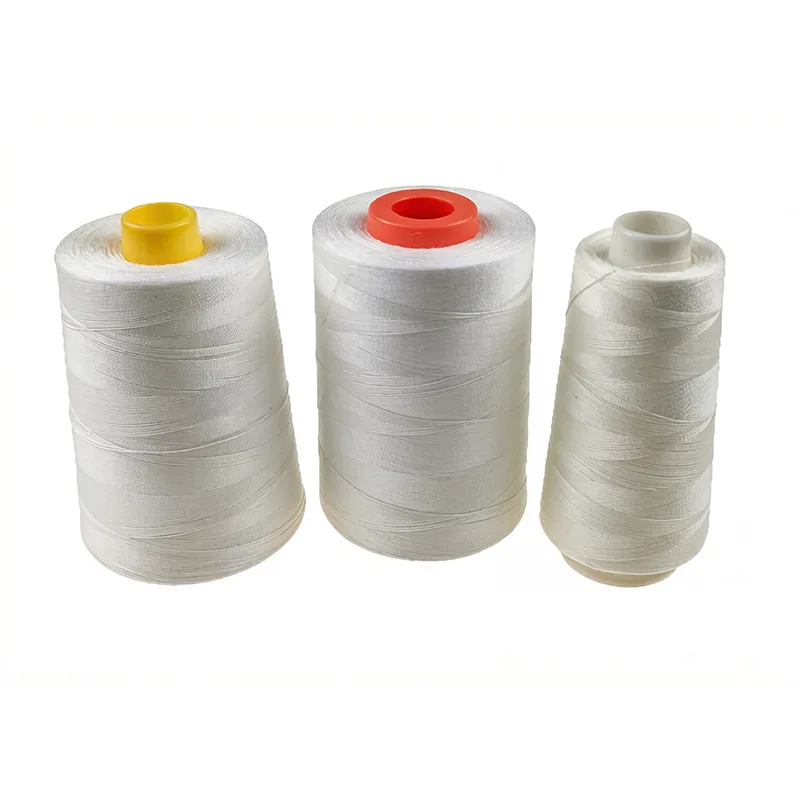
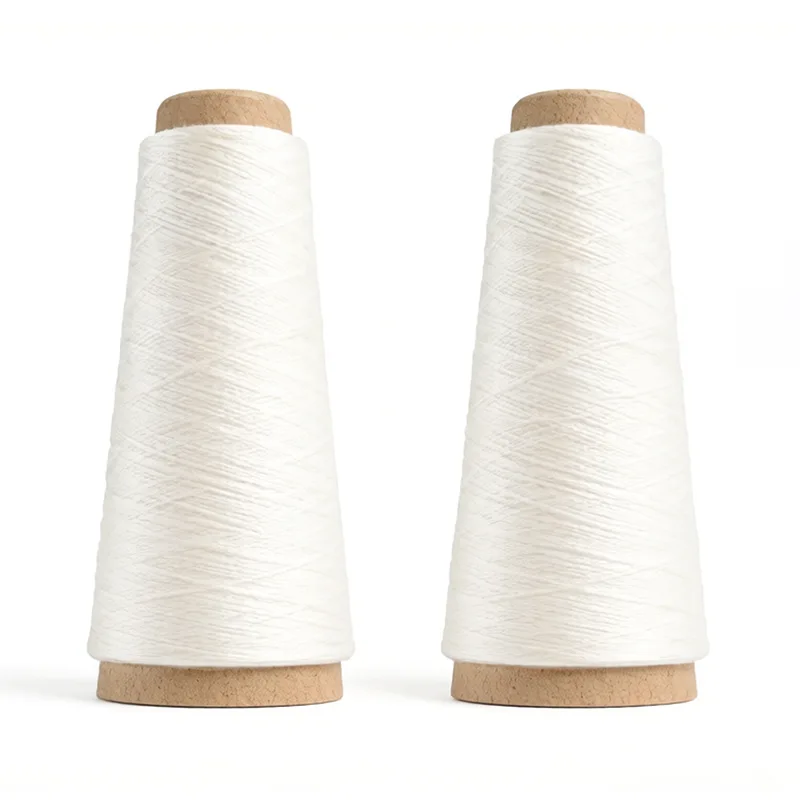
| Available Colour | Raw white |
| Thread Form | Subject to available product construction |
The listed T-27, Ticket 120 and 40/2 specification represents the supplied product information. Other sizes, package lengths and thread constructions should be confirmed with the factory before ordering.
Features and Sewing Recommendations
Water Soluble Sewing Thread is intended for temporary sewing operations where convenient removal is an important part of the production process. Correct machine settings and suitable storage conditions help maintain its handling performance before use.
Raw White Appearance
The listed product is supplied in raw white for temporary sewing and textile processing applications.
Reduced Manual Unpicking
Suitable water treatment can remove temporary stitches and reduce the need for manual thread removal.
Clean Processing Results
When the correct grade and treatment conditions are used, temporary threads can be removed from the textile process.
Adjustable Sewing Tension
Needle tension may need to be reduced or adjusted according to the thread grade, machine and fabric.
Storage and Handling Guidelines
Because Water Soluble Sewing Thread is designed to react to water, keeping it dry before use is important. Moisture exposure during storage or handling may affect the thread's condition and sewing performance.
Recommended Storage Practices
- Store the thread in a dry, clean environment away from moisture and direct water contact.
- Keep unused thread in sealed packaging or a zip-lock bag when practical.
- Avoid handling the thread with wet hands.
- Keep packages closed when the thread is not being used on the production line.
- Check the thread condition and sewing performance before starting a production batch.
- Adjust needle tension and machine settings according to the selected thread grade and fabric.
Choosing a Water Soluble Thread Supplier in China
When sourcing Water Soluble Sewing Thread from a China manufacturer or supplier, it is important to compare more than the listed thread size. The dissolution temperature, temporary sewing strength, material construction and compatibility with the actual production process all influence the final selection.
Confirm the Dissolution Requirement
Specify whether the process uses normal-temperature water or warm water, together with the required treatment time.
Check Sewing Performance
Evaluate thread strength, tension settings and machine compatibility using the intended fabric.
Review Material Information
Request the relevant material specification and compliance documents for the intended application.
Test Before Bulk Ordering
Use a sample to verify stitch quality, dissolution behaviour and the final fabric condition.
Derusen supplies a range of sewing thread products for different textile manufacturing requirements. You can also explore our sewing thread product range, including spun polyester sewing thread, bonded polyester sewing thread and flame retardant thread.
For other textile materials, explore our fabric products and interlining materials. More product information is available through our product catalogue. These related materials can help manufacturers review different sewing and textile processing options in one place.
As a textile materials supplier, Derusen can discuss product specifications and sample requirements according to the intended application. Hot Sale items, factory direct supply arrangements and bulk order prices depend on the selected product, specification and order quantity. For company information, visit About Derusen.
Frequently Asked Questions
1. What is Water Soluble Sewing Thread used for?
Water Soluble Sewing Thread is mainly used for temporary stitching, fabric positioning, embroidery support and selected textile manufacturing processes. It can be dissolved through suitable water treatment after the temporary sewing operation is completed.
2. At what temperature does water soluble thread dissolve?
Dissolution temperature depends on the selected material grade. The available product information includes grades intended for 20°C and 40°C water conditions. The exact dissolution time and temperature should be confirmed through the product specification and sample testing.
3. Is the sewing thread made from PVA?
PVA, or polyvinyl alcohol, is a commonly used material for water-soluble textile threads. Other water-soluble fibre formulations may also be used. Buyers should check the material composition of the specific grade before placing an order.
4. Can water soluble thread be used in embroidery machines?
It can be used in suitable embroidery and temporary positioning operations. Machine compatibility depends on the thread size, tension, stitch type and fabric. A sewing or embroidery trial is recommended before regular production.
5. What size of the sewing thread is available?
The supplied specification lists T-27, Ticket 120 and Cotton Count 40/2. Other sizes and constructions should be confirmed with the supplier according to the required sewing process.
6. Does water soluble thread leave marks after dissolving?
When the appropriate grade is fully dissolved under suitable treatment conditions, temporary stitches can be removed without manual unpicking. The final result depends on the thread, fabric, water conditions and treatment process. Testing on the actual fabric is recommended.
7. How should the sewing thread be stored?
Store it in a dry environment and keep unused thread sealed in its original packaging or a suitable moisture-resistant bag. Avoid wet hands and direct water exposure before the thread is used in production.
8. How can I choose the right water soluble thread for bulk production?
Confirm the required dissolution temperature, thread size, temporary seam strength, fabric type and machine settings. Request a sample and test it under the actual production and removal conditions before confirming a bulk order.
Looking for a Water Soluble Sewing Thread Supplier?
Contact Derusen to discuss water-soluble thread specifications, dissolution temperature, sample testing and bulk supply. Share your fabric type and processing requirements to help identify a suitable product grade and obtain a quotation.
Contact Derusen for Product DetailsRelated Category
Send Inquiry
Please feel free to give your inquiry in the form below. We will reply you in 24 hours.